Making sure that employees know and understand an organization’s rules on expense reimbursements is a constant challenge. An effective expense policy plays a key role in shielding against the risks of staff disputes, fraud and noncompliance.
The problems that can be posed hit the headlines recently with the case of Frank Farricker, the former chairman of the Connecticut Lottery Corp. He agreed to pay $11,318 to settle a complaint over expense reimbursements he had received from the state.
The dispute was over expenses for cellphone, internet and cable TV costs which he said were associated with his work duties. He argued that any violations were a result of misunderstanding of the rules.
Along with staff disputes, the lack of an effective policy can heighten the risks posed by fraud and external compliance breaches. It’s estimated that $2.8 billion continues to be lost each year by U.S. companies to expense fraud.
So how do you tackle this? How can you ensure that company rules on reimbursements are clearly communicated? Here’s a look at some effective strategies:
Digital Policy Control
The problems with communicating an expense policy in the past have been linked to the reliance on traditional ways of working. A policy would typically be a static document that employees would be guided to read.
It’s something that’s likely to be glanced at with information soon fading from the memory. In contrast, a digital expense management system makes expense policy an active part of everyday workflow.
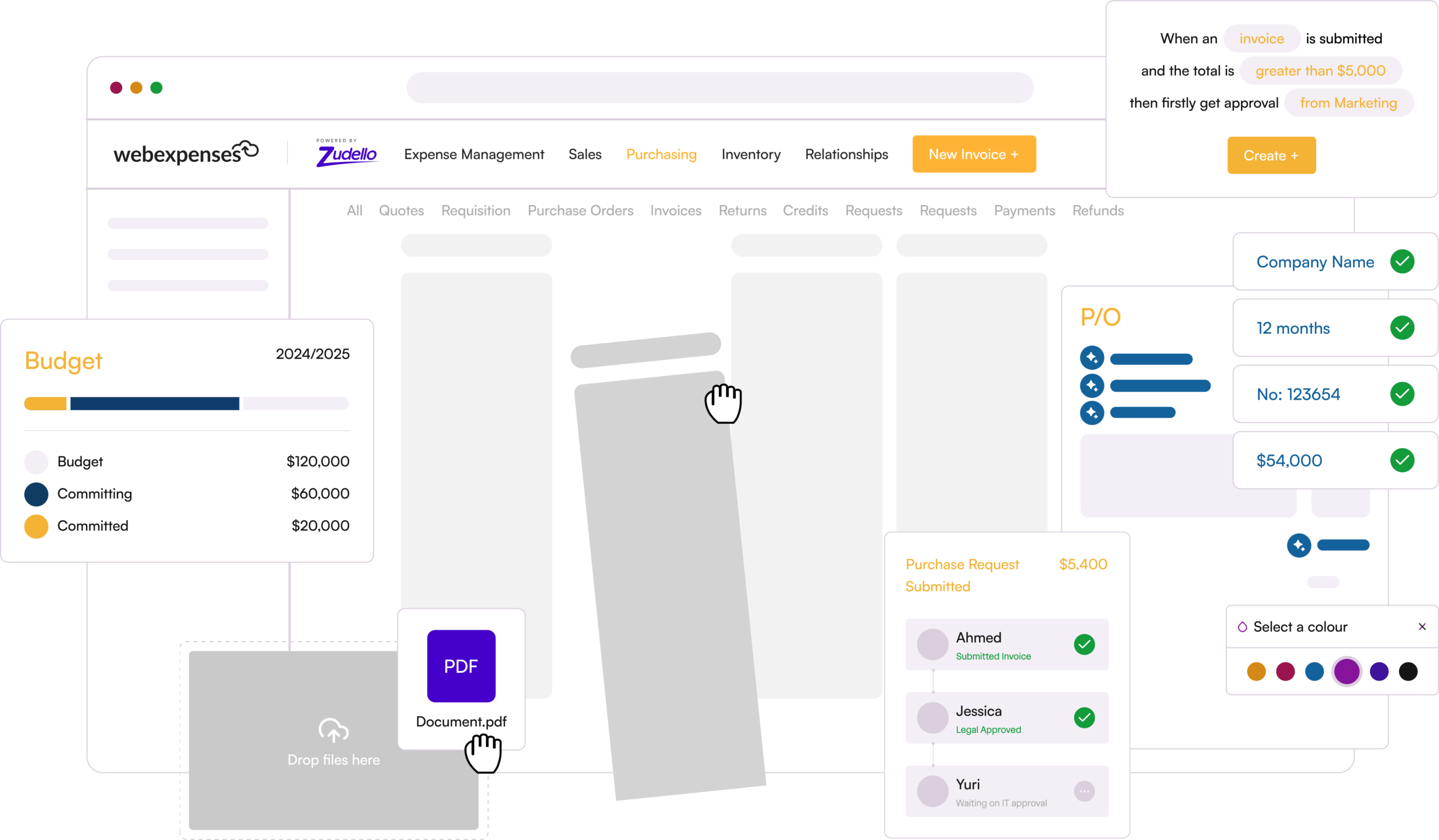
A system such as webexpenses provides on-screen notifications and reminders as part of the report process with real-time messages relating to the particular costs being claimed.
Keep communications simple
A reimbursements policy is never likely to be the most thrilling of texts to read and that’s why it’s important to make it as simple and easy to understand as possible.
A policy should be stripped down to the most basic information, without trying to go into exhaustive detail which tries to cover every situation. It needs to provide a simple and concise set of rules, together with a general ethos to guide behavior.
Keep It Updated
An expense policy should be thought of as an organic process which needs to adapt to the needs of a growing business and any changes to external legislation. Any limits or rates need to be regularly reviewed and revised appropriately.
Great care also needs to be taken to ensure that a policy is fully compliant, especially when it comes to the ‘shifting sands’ of HMRC (HM Revenue and Customs) legislation and any changes to tax and VAT rules.
Make sure it’s easy to access
A digital expense system with automated notifications provides the best way to ensure a policy is accessible but there are other options. Many businesses use an online company wiki, allowing details to be accessed from wherever an employee has an online connection.
It’s an effective way to make sure business travellers can always check on reimbursement rules and limits. A web-based approach also removes the headache of having multiple copies scattered throughout an organization.
The lack of central control makes implementing any changes to a policy, a slow and error-prone process with information becoming dangerously fragmented and old documents remaining within the system.
You can find more information on how to create an effective policy, together with an expenses policy template, in this practical guide.
Webexpenses provides a better way to manage and monitor employee costs, find out for yourself by requesting a demo.