Orders, subcontractor invoices, site spend and mileage are coded to the job when they happen, so overruns show up before the money has gone.

Plant hire and materials get bought on a card or a phone call, and the job only sees the cost when the invoice lands.
Subcontractor applications arrive late and don’t line up with what was valued, so someone rebuilds the position by hand before every payment run.
Costs arrive after the work is done, and you find out where a job really landed at the final account.
Access and claims lag behind contracts that begin and end faster than the admin does.
Teams moving between appointments and properties struggle to log mileage accurately, and client rebilling depends on it being right.
Job codes and cost types get used differently on every site, and finance spends month-end correcting them.
Requests raised in one place and approved against budget and policy before the money is committed. Nothing bought off-contract.
Explore Purchase Orders →Budgets structured the way your business is, with every commitment measured against the right one before it is approved.
Explore Budgets →Invoices read as they arrive, matched to the order and the receipt, and routed to whoever can approve them. More volume, same team.
Explore Accounts Payable →Every agreement in one place, key dates in view, renewals flagged before the date. Spend checked against the terms you actually agreed.
Explore Contract Management →Out-of-pocket claims, mileage and card reconciliation. Policy applied as the claim is entered, and people paid without the chase.
Explore Expense Management →*Expense Management is available today as a standalone Webexpenses product. Full integration with the platform is coming soon.
Order. A purchase is raised for the job and approved against the job budget before the money is committed.
Read. The subcontractor or supplier invoice is read as it arrives.
Check. It is matched to the order and checked against the terms you agreed.
Code. The cost is coded to the job, phase and cost type.
Post. Coded data is written to your ERP, and committed cost sits against the budget as it builds.

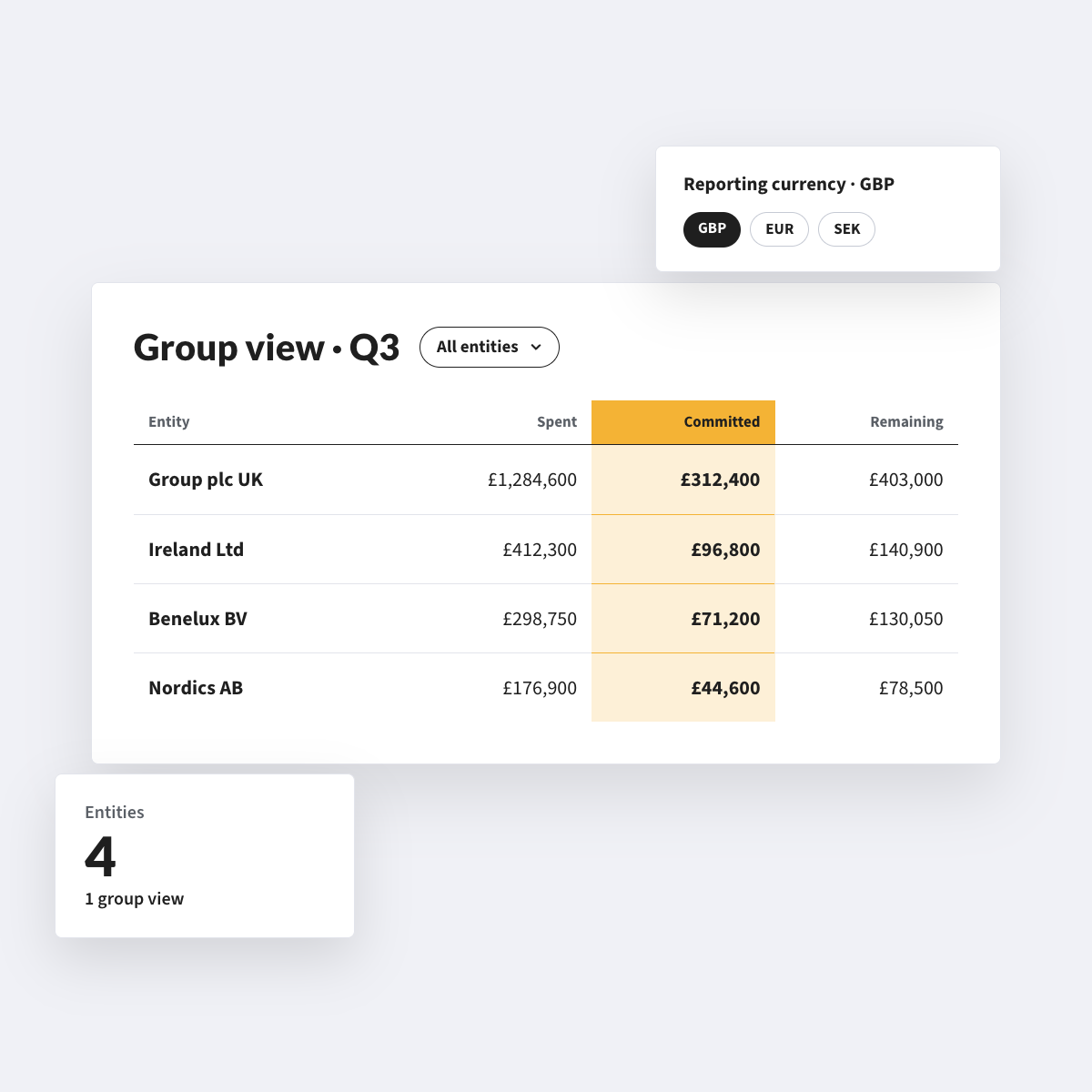
Budgets shows the live position against each job: what has been spent, plus what is already promised. A site running hot shows up while there is still something to do about it, not at the final account.
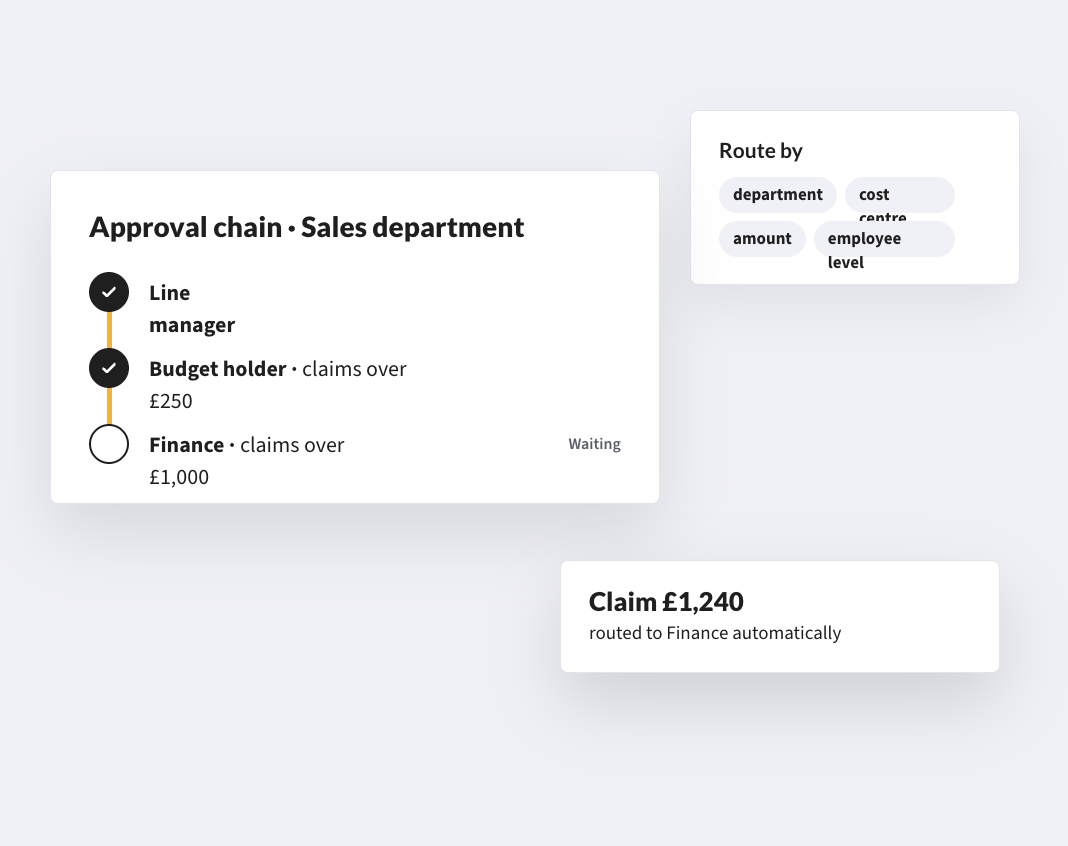
Site teams and surveyors photograph a receipt and submit from the app in seconds. If there is no signal, claims queue on the phone and sync when it returns. Approvals route to the right manager, and spend lands in your accounting system coded to the job or property.
*Expense Management is available today as a standalone product. Full integration with the platform is coming soon.
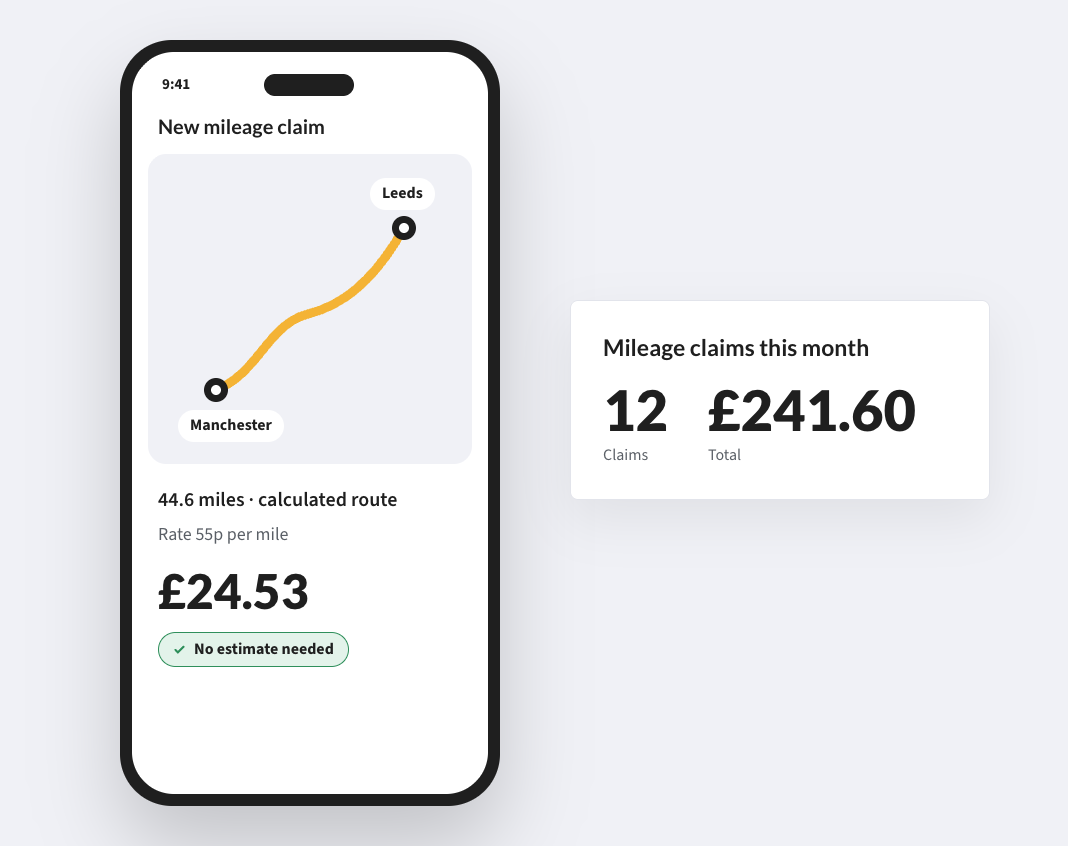
GPS and postcode mileage applies HMRC rates. A single claim can be split across job codes, and costs can carry a client or property reference so rebilling is a report. Daily allowances for extended postings are set once by location, duration or role.
“It took four days and a lot of Tippex. By the end of it, I was close to tears... Just get it automated; no need to hold back anymore!”
SmooveFinance Manager“Webexpenses ticks every box for us. From improved efficiency and compliance to faster payments and better user satisfaction, it has been a fantastic solution for our growing company.”
LW ColePurchase Controller“Webexpenses transformed our process enormously, reducing time spent on processing expense claims and streamlining the process for all of our employees.”
Barrett Corp & HarringtonBusiness Support ManagerThe mobile app is the whole process. Photograph a receipt, log it, submit. If signal is patchy, claims queue and sync when it returns.
Yes. Cost codes, job numbers, property references and client codes are configurable and applied at the point of entry, so every claim is tagged before it reaches finance.
Yes. A single expense item can be split across cost centres or job codes at submission, by the worker or the manager, so your AP team does not adjust allocations by hand.
No. You pay for active users, so subcontractors can be added when a contract starts and removed when it ends.
Webexpenses has native connectors for Oracle, Sage Intacct and Sage 200, and approved data posts without re-keying. For other systems, we scope it in the discovery call.
No. Expense Management is available today as a standalone product. Other modules start with a discovery call so we can scope what you need.
Expense Management is set up in five phases: onboarding, integration, presentation, testing and migration, then launch and hypercare, with our team alongside you throughout. Platform modules start with a discovery call, where we scope what you need and how it would be set up.
Orders, invoices, site spend and mileage against the job budget, as they happen.
See how your purchase-to-payment controls score →Platform
FRONT OFFICE
BACK OFFICE
Capabilities
EXPENSES
ACROSS THE PLATFORM
TRUST AND ROADMAP
By Role
By Industry
By Industry
Platform
Help you decide
Vendor Validation
Broader Audience