Norms are shifting and the management of finance takes has on a new direction
The altered future of business has started to take its new shape; traditional methods that have been used to control business finances must follow suit.
Methods that were once based upon finance teams being office-based have now shifted to all-digital processes to coincide with remote working.
The reliance on paper documents being shared between finance teams for managing, collecting, and transferring is an outdated approach to managing expense reports for teams working remotely.
Here are five ways to control finances with a remote team:
1. Provide employees with a safety net
Effective telework requires continuous information and support from the finance team. With travel uncertain and working from home expanded, expense policies must be updated for transparency on what employees can claim as legitimate costs.
We’ve written a useful guide for clarification on remote working expense policies.
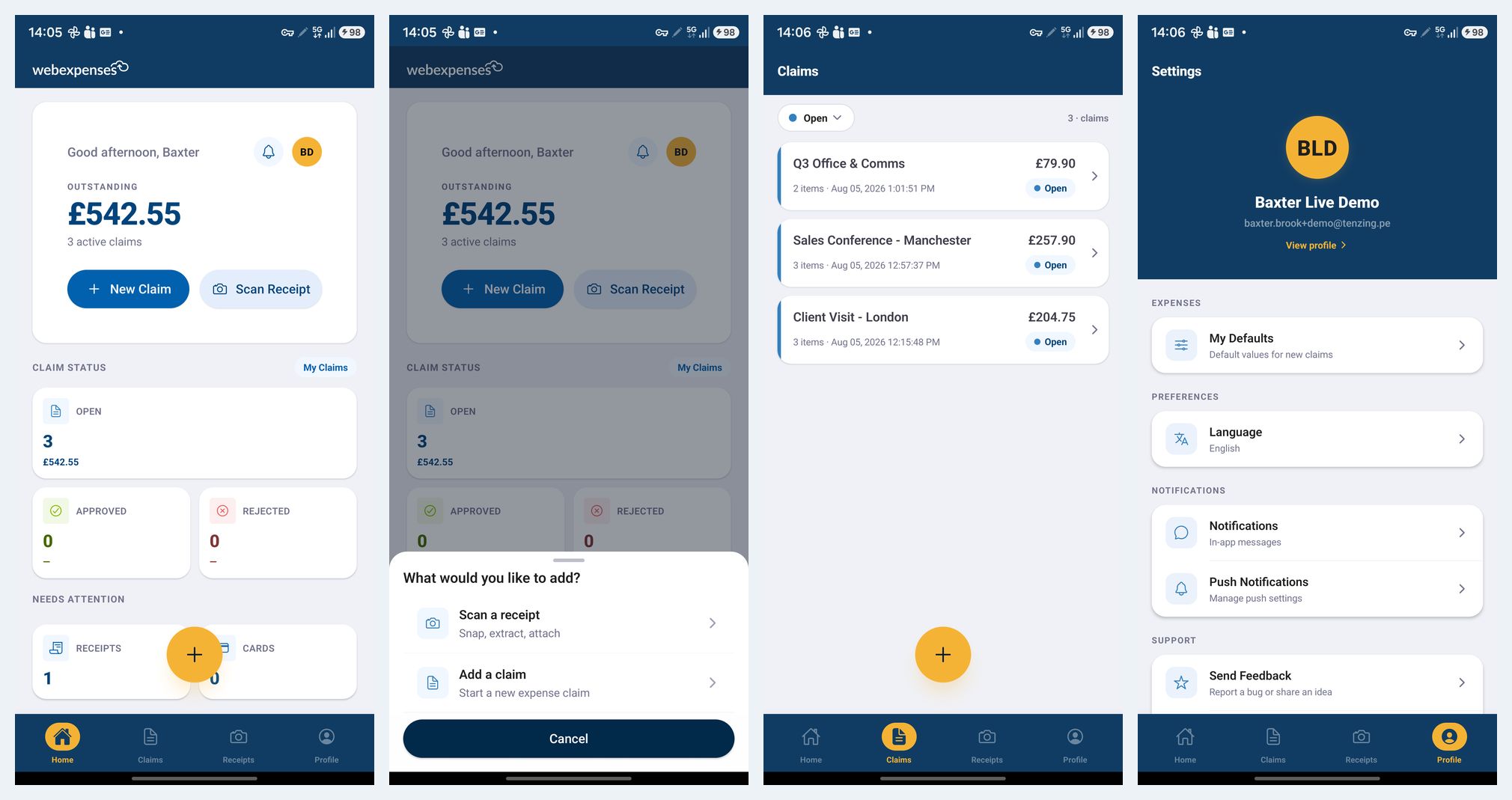
Digitizing expense processes allows remote workers to submit claims from virtually anywhere. This eliminates the need for paper receipts or forms to be mailed off to finance teams – and efficiently speeds up the reimbursement process.
2. Keep suppliers paid in a timely manner
With so many businesses struggling to cope with recent restrictions, it’s important to make sure that suppliers and contractors are promptly paid. Further delays will create risks during such challenging times, like securing lines of credit or accessing important services.
An invoice processing system will automate the process and allow incoming bills to be managed virtually. A remote-working finance team can continue to handle the AP process from wherever they have an online connection.
3. Increase communication
With shifting norms, clear communication must be maintained with all those involved in finance. If changes are being made to any policy, process, or payments, people need to know.
Due to the current climate of the economy, it’s best to update policies for those who have been impacted within your company. Sending out a revised expense policy for remote workers and video conferencing suppliers to discuss changes is pivotal.
Good communication applies to finance teams, as well as other teams within your company. Keeping designated tools for specific communication is the key to remote teams working across multiple regions, such as the platform Slack. It’s important to keep in mind that great communication extends further than using just your own words.
4. Frequently monitor cash flow
An effective way to monitor spend with a remote working operation includes having real-time processes that provide immediate access to any necessary data.
Expense management software provides reporting tools. This provides a drag-and-drop method of al visibility and thus forecasting of cash-flow and the ability to identify potential risks that may lay ahead.
5. Enforce policy compliance
With new changes to how your company operates, it’s important to maintain compliance controls. With a remote team, an online expense manager will allow for costs to be automatically monitored and issues to be identified in a timely fashion.
For example, mismatching banking information on a supplier invoice or an expense claim that breaches policy limits are flagged to the appropriate admin. Finance teams are now able to verify if costs are legitimate and reduce the risk for errors or fraud.
Sometimes, even honest employees commit expense fraud, but there are multiple ways – even remotely – to prevent business expense errors from occurring.
Future-proof your finance methods
To take complete control of a remote workforce, a tool that will give guidance and the industry’s best support will provide your business with a complete set of tools that allow admin tasks to be handled remotely, securely, and automatically.