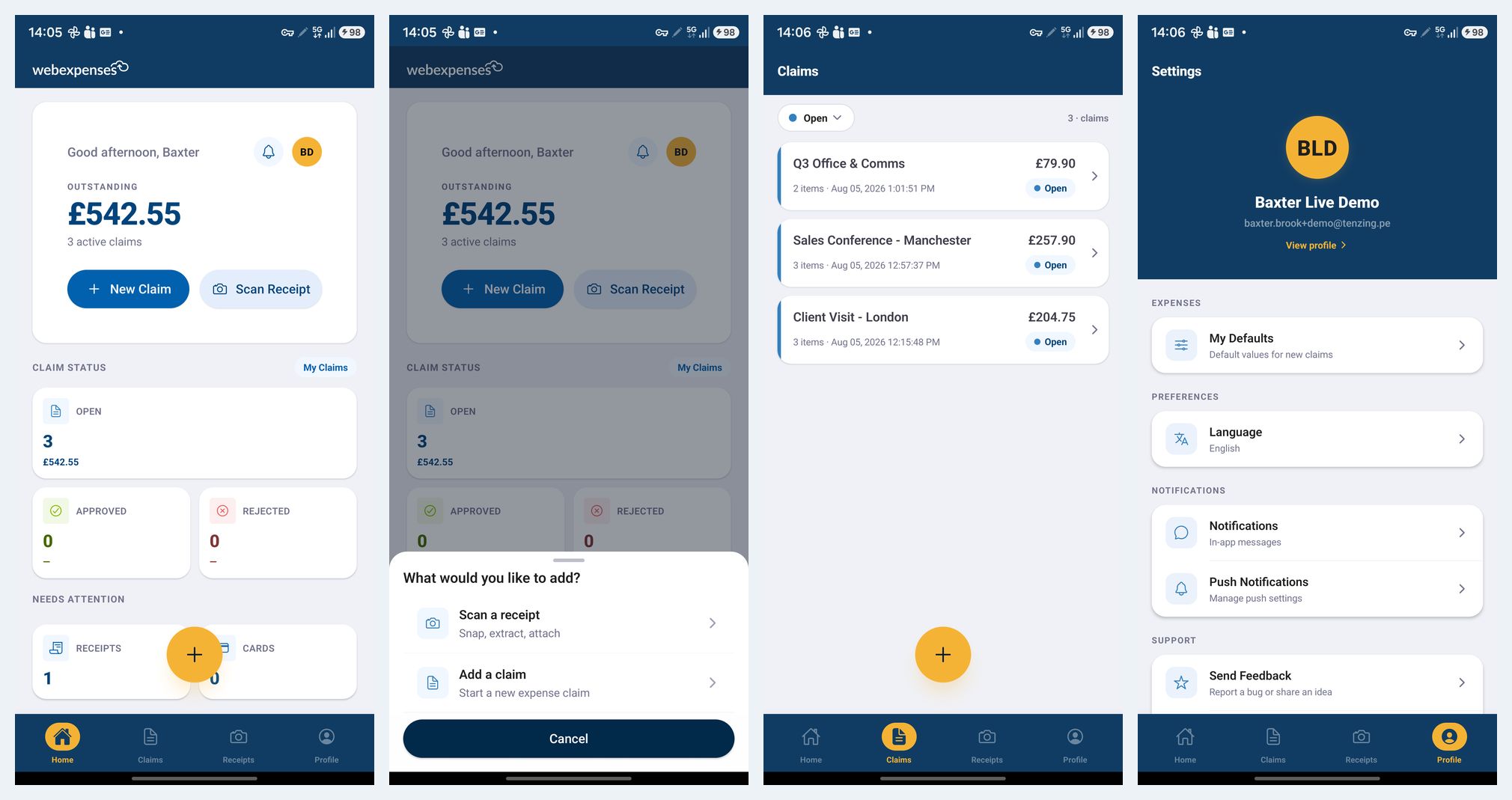
The digital world is moving at a fast pace. Now more than ever, businesses need to adapt their practices to keep pace with competitors and cater for both customers and employees.
Expense management remains one area of business administration where paper-based, manual processes are still used.
A manual expenses process typically involves employees keeping hold of paper receipts for costs they incur for business purposes. These receipts are then attached to a claim form and, if found to be valid, the expense is reimbursed.
It’s very old school. But there is a solution out there that most people may not even realise they need. This is where an expense management system comes in.
Here’s a look at the benefits of moving away from a traditional approach to a cloud-based system.
What are the benefits of expense management software?
1. Paperless administration for all employees
The switch to a digital management solution will typically reduce the time it takes to process expenses by 25%. It does this by minimising the need to check paperwork and by removing tedious administrative tasks.
Instead, employees can use a mobile app to scan paper receipts into digital form. This allows expense reports to be updated in real time. It also means that paper receipts no longer need to be shuffled across an organisation. This avoids the need for data to be manually imported, which is more likely to cause errors and/or duplication.
2. Improved, effective policing
The traditional ways of managing reimbursements are less likely to effectively control employee expenses. Falsified expense claims still happen, with 57% of workers feeling “a little bit” guilty that they still fiddle with their expenses.
Paper-based expense submissions often lead to overpayment since there are no clear rules about what can be reimbursed. This can hurt the business and finance teams often lack the time or resources to watch or enforce rules.
A digital system checks every cost that’s submitted, triggering a warning whenever costs breach spend limits. Policy notifications and reminders are also delivered via on-screen notifications. Organisations will have full visibility of employee spend with no further risk of invalid expense claims.
3. Aligned with external compliance
The legislative world is moving from a paper-based to a digital world.
In the UK for example, it is required by law to follow new rules under the Making Tax Digital (MTD) legislation. It is now compulsory for businesses to submit VAT information via a digital system. Your business’s software should be able to connect to HMRC systems and store and update receipts and VAT invoices.
Many expense management providers are set up to integrate with these external systems and are for digital ways of working. A provider like Webexpenses provides accurate and detailed expense information at a level that’s not possible through a manual approach.
4. Happier employees
Submitting an expense report is often reported to be one of the dreaded chores faced by employees.
The switch to a digital system removes this pain point. A smartphone app with OCR scanning can convert a paper receipt into a digital claim in less than 20 seconds, extracting only the necessary data.
A fast and efficient system automates tedious tasks and changes the way that expenses are perceived within a workplace. Rather than being a dreaded task, it becomes a seamless part of everyday operations and ultimately results in more productive employees.
5. Management visibility
At the root of all the problems with a traditional approach is a lack of visibility. You can’t manage what you can’t see.
Trying to collate information for manual expense reports becomes a complex task as information is pieced together from multiple spreadsheets.
Automated reporting gives finance teams fast, accurate data on employee expenses, including top spenders, out-of-policy approvers, and regional claims.
Transition to digital expenses with ease
One reason why a paper-based approach has existed for so long is because there has been no alternative.
The switch to digital expense management doesn’t just provide a more efficient system. It delivers a substantially better way to manage and monitor expenses.
It’s a way of working that’s attuned to today’s digitally connected business environment. Digital processes are improving rapidly, meaning the paper-based system for expense management is becoming outdated.
If you’re interested in saving time and costs, and improving employee morale, get in touch to discuss the Webexpenses expense management system.