What is OCR and how does it work?
OCR stands for optical character recognition and is sometimes referred to as text recognition. It is the process of deciphering handwritten or printed text from a paper document into codes that can be used for data processing.
The first step of OCR begins with scanning a document, like a paper form or digital PDF. The scanned image is then analyzed for light and dark areas. The dark areas are identified as the characters that need to be recognized and recorded, while the light areas are encoded as the background.
Once all characters have been identified, the information is converted into the American Standard Code for Information Interchange, which is the standard format for text files within computers. The code is then able to be manipulated by various software types within seconds, enabling further actions that were not possible with physical copies, such as auditing and analytics.
So, where did OCR originate?
The roots of OCR date back to the early 20th century as a tool for the visually impaired. OCR began as a telegraphic system designed to convert text and other characters into an auditory telegraphic code.
A few years later, a handheld scanner called an optophone was introduced. It produced tones that could then be decoded into words. Think: your smartphone reading text messages aloud while someone is driving.
Fast forward to the present day and OCR technology has evolved. It’s been adapted for a multitude of uses in everyday life. For example, tolls scanning your license plate, indexing on search engines, and depositing your checks on a banking app.
These adaptations of digital data have not only reshaped our everyday lives, but also the way we do business.
How is OCR useful to businesses?
Many organisations around the world that have adopted OCR’s game-changing technology through technologies that leverage its capabilities to streamline their operations.
One use of OCR applies to organizations that rely on documents and forms. The technology can be used to create digital copies of paper documents that can be both searched and securely stored on the cloud.
For example, healthcare facilities generate digital medical records and billing information to create a cloud-based database, providing instant, easy access to patients’ medical files. The legal system also uses OCR to create an index of legal documents for research and legal documents such as, court orders, cases, and wills.
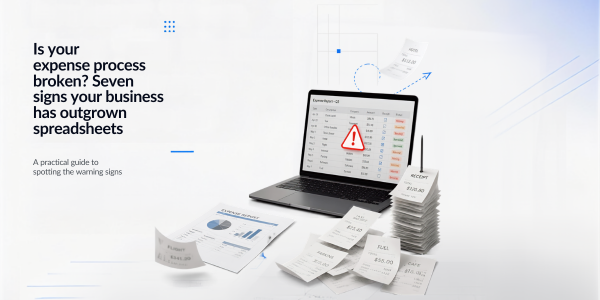
Another use of OCR applies to most companies and organizations around the world: real-time business expense tracking. Employees can take a photo of a paper receipt with their phone, which automatically uploads the image and its digital data into the system to create a new claim using a mobile expense app. An advanced OCR, like Webexpenses’ automatic character recognition (ACR), scans receipts in under 20 seconds and also transcribes handwritten notes into a digital form.
This eliminates the need to keep and submit paper receipts to approval and accounting teams. It also reduces errors and overpayments by automating the approval process. The paperless process simplifies expenses and saves companies about three hours per claim versus manual expense management.
In addition, businesses that rely on supply chains, or other frequent purchases, can benefit from OCR. How? By automating the invoice process. With OCR, paper or digital invoices can be scanned and the data automatically extracted. Then the digital information is automatically pushed to the accounting team for approval. This eliminates the need for in-person, manual processing of invoices. Thereby, creating an accounts payable team that is virtually touchless and efficient.
Since its humble beginnings as an aid for the visually impaired, OCR has evolved into a powerful tool. From everyday life to business operations, OCR technology has been adapted to simplify the way we live and work.