Finance automation – from expense management and AP processing to financial close and reporting – is all about freeing finance teams from grunt work. Which sounds great. But here’s the problem: Too many implementations fail to deliver.
Well, why? There’s no one, clear cut answer. But, in large part, these failures stem from businesses automating the wrong things, at the wrong time, or they simply rush implementation without proper planning.
The end result is wasted budget, frustrated teams, minimal ROI and, perhaps most damagingly, it creates an organisational scepticism towards transformation projects in general (finance or otherwise).
At Webexpenses, we know a thing or two about finance automation (specifically expense automation). That’s why our Head of Finance Tracy Richardson was recently invited to join a Seer 365 webinar to discuss automation – and, crucially, talk about why it sometimes fails miserably. She was joined by:
- Alan Mancinotti, Planning and Delivery Site Lead at Ryanair
- Saleem Chohan, Head of Sales at Intelisense IT
- Rufus Lunn, ISV Program Lead at Seer 365 (host)
Here are the three critical automation mistakes they identified – and the practical fixes that actually work.
Mistake one: Thinking automation replaces people
The biggest misconception about automation is that it’s always about cutting jobs. Finance teams hear ‘automation’ and immediately worry about redundancy. But that’s not what business process automation actually does in practice.
Automation, with regards to finance, is really about freeing you from repetitive tasks so you can do more valuable work. As Tracy put it: “It’s more that you’re bringing that automation in so people are freed up to actually review the numbers rather than doing the numbers.”
Think about your expense reimbursement process. How much time does your team spend chasing missing receipts, manually matching expenses to corporate card transactions, and keying data from paper receipts into your system? These tasks need doing, but they don’t need a qualified accountant to do them.
When you automate expense management, you’re not eliminating roles. You’re redirecting talent towards the work that actually needs human judgement – like spotting unusual spending patterns, ensuring policy compliance, or analysing expense trends to inform better business decisions.
The difference matters. When finance professionals spend their time analysing trends, spotting risks, and advising the business, they add strategic value. When they spend their time copying numbers from one system to another, they don’t. Expense automation shifts the balance from admin to analysis.
This also solves a practical problem for you. Good finance people are hard to find and expensive to hire. If you can make your existing team more productive without burning them out, you avoid recruitment costs and retain institutional knowledge. You also make their jobs more interesting, which helps with retention.
The fix is straightforward: Before you automate anything, map out what your team will do with the time they save. Don’t automate for efficiency’s sake. Automate so you can redeploy people into roles that matter more to your business.
Mistake two: Automating broken processes
“Automating something without knowing exactly what you’re automating, you are only bringing more mistakes in a faster way.” That’s the warning that RyanAir’s Alan gave to viewers.
This happens all the time: A process is slow and painful, so you decide to automate it. You buy software, implement it, and suddenly you’re producing incorrect reports at scale.
The automation worked perfectly. The process underpinning it is wrong.
Before you automate expenses, you need to understand your current process properly. Not what the policy says should happen, but what actually happens. Where do receipts get stuck? Which approvers create bottlenecks? What causes claims to be rejected? If you don’t know the answers, you’re not ready to automate yet.
The people actually doing the work every day understand the nuances that don’t appear in process documentation. They know why certain steps exist, which rules can bend, and where the edge cases live. Leave them out of the planning, and you’ll automate around problems instead of solving them.
Documentation helps, but only if it’s accurate. Many businesses have process maps that describe an ideal state rather than reality. Your expense policy might say claims should be submitted within five days, but if most people submit monthly, that’s the real process you need to design for.
We’ve seen this repeatedly with expense management automation. A business automates their old manual workflow exactly as it was, complete with unnecessary approval steps and outdated spending limits. The system runs faster, but it’s still fundamentally inefficient. You’ve just made a bad process quicker.
Here’s what to do instead:
- Document your actual process, not your imagined one.
- Involve the people who live with it daily.
- Identify which steps add value and which exist out of habit.
- Design the automated version around what should happen, not what currently does.
This takes longer upfront but saves months of rework later. It also means your automation project becomes an opportunity to improve the process itself, not just speed it up.
Mistake three: Treating automation as a one-time project
The third mistake is thinking automation has an end point. You implement a system, tick the box, and move on. But finance automation doesn’t work like that.
Your business changes constantly. Regulations evolve. New spending categories emerge. Teams restructure. The automation that worked perfectly last year might not fit your needs today. If you treat it as finished, it becomes outdated fast.
Alan made this point clearly: “This is a continuous journey. We need to work on this, especially in sectors like aviation, where regulation is evolving over time.” The same applies across industries. HMRC changes its rules. Your company acquires another business or your team grows from 50 people to 500. Each change affects how your expense process should work.
This matters particularly for expenses because they touch everyone in your business. When a salesperson joins, they need access to submit claims. When your finance director changes approval thresholds, the system needs updating. When you expand into new markets, you need multi-currency support. None of this happens automatically.
The businesses that succeed with automation build it into their operating rhythm. They review their processes quarterly, not annually. They listen when users complain about friction. They treat the automation platform as infrastructure that needs maintaining, like your accounting system or your CRM.
This doesn’t mean constant disruption. Small, regular improvements work better than big bang changes every few years. Your expense management system should (emphasis on ‘should’) let you adjust rules, add users, and tweak workflows without reimplementation. Use that flexibility.
The fix is cultural as much as technical. Assign someone to own the expense process on an ongoing basis. Give them authority to make changes when needed. Create feedback channels so users can flag issues. Track metrics that show whether the automation still delivers value. When something stops working well, address it quickly rather than waiting for the next big project.
Your partner here is vital, too (a company like, ahem, Webexpenses). Any expense management software you use should help you stay on top of things like changing regulations or new advisory rates (case in point: Our rapid response to HMRC’s new EV mileage advisory rates).
Getting automation right with the right tools
The common thread through all three mistakes is this: Automation isn’t just about technology. It’s about understanding your processes, supporting your people, and staying adaptable as your business changes.
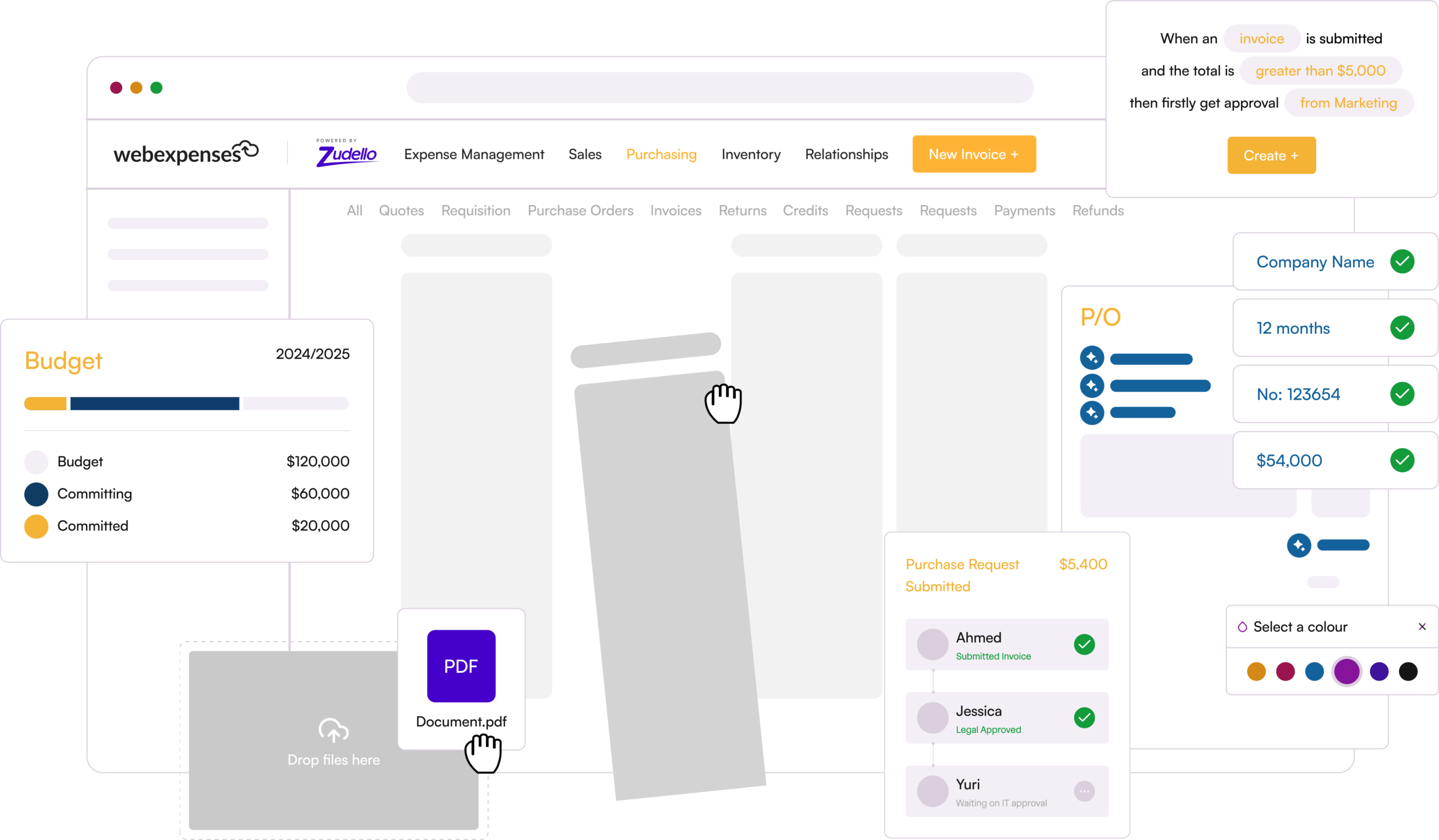
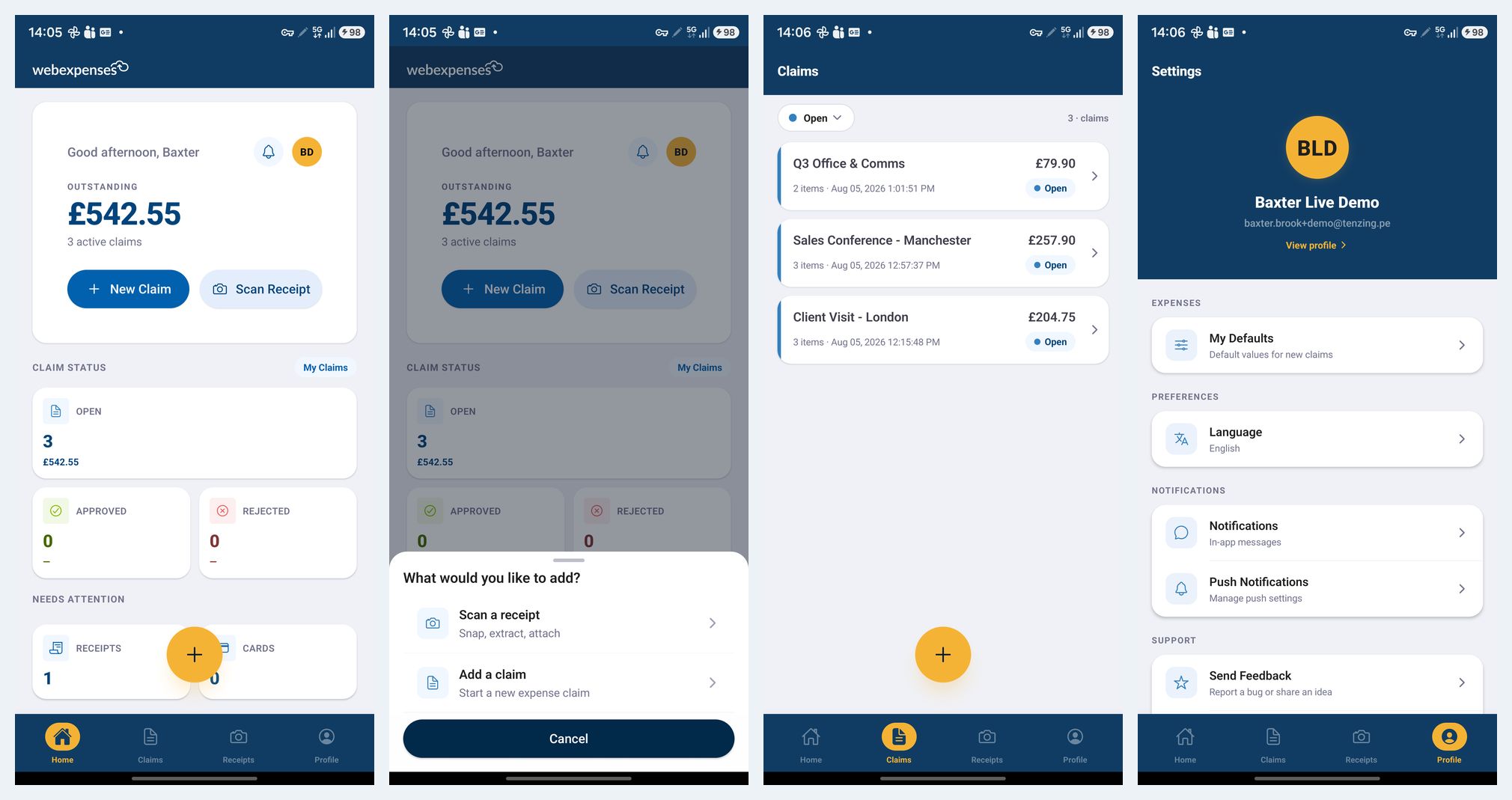
That’s why we built Webexpenses the way we did. Our expense management software handles the automation you’d expect: Receipt capture, policy enforcement, approval workflows, and payment processing. But we also designed it to be flexible enough to change with your needs.
When your approval structure changes, you can adjust it in minutes. When you need to add spending categories or update limits, you don’t need a consultant. When HMRC changes VAT rules, we update the system so you can easily stay compliant and maximise VAT reclaim.
We also handle the human side properly. Our implementation team works with you to map your current process and design something better. We provide support when questions come up. And we stay involved as your needs evolve, because we know automation isn’t a one-time transaction.
If your finance team is spending hours each month on expense admin, that’s time you could be spending on analysis, planning, and strategy. If your current process relies on spreadsheets and email chains, you’re probably making more mistakes than you realise. And if you implemented an expense system years ago but haven’t touched it since, you’re not getting the value you should be.
Ready to see how expense automation should work? Book a free demo with our team. Or use our ROI calculator to see what kind of time and cost savings are realistic for your business.