from our UK office
It can happen at any time. You receive a notification from HMRC – they’re going to be visiting your business. It may be a routine audit or it could be a result of something which has triggered their suspicions.
Either way, it’s a daunting prospect for any organisation, as HMRC officials start to forensically pick their way through your records on the lookout for errors, inconsistencies and potential tax compliance breaches.
And the most dangerous approach you can take is to simply hope this never happens. It means, when you do eventually get that call, your organisation is liable to be woefully ill-prepared and prone to panicking.
The best approach is to enter a state of permanent preparedness, to make sure you have a robust and sustainable expenses regime which will tick all the right boxes for any HMRC inspection team.
This task has been made easier to achieve thanks to the emergence of digital expense management tools. These replace the old paper-based ways of working with fast and efficient automated processes.
They allow a finance team to manage, monitor and store meticulous records on every aspect of each expense claim. It’s not just the basics – the who, why, what and where – but the entire process, from claim to approval.
The Big Picture: using Expense Management
This is particularly important during a HMRC audit as the inspectors will not only focus on the minutiae, they will be looking at the bigger picture. They want to see evidence that your business has an end-to-end system in place to ensure legitimate and tax compliant expenses.
Because there is no use in having a great accounting setup if you have no way of proving this to tax inspectors – if you don’t have the detailed records required to show every stage of the process.
And it’s the absence of this kind of nitty gritty information that can set alarm bells ringing for HMRC. While it may be unfair, the lack of rigorous records can often be interpreted as an attempt to hide something.
A digital system provides reassurance by making sure that every stage of the process is digitally documented. While not everything may be perfect, it shows that all reasonable steps have been taken to ensure compliance.
It also helps to reduce the likelihood of any problems being unearthed by making compliance a much more pro-active process within a company. A digital system allows compliance checks to be integrated into the everyday workflow of employees.
Real-time Expense Compliance
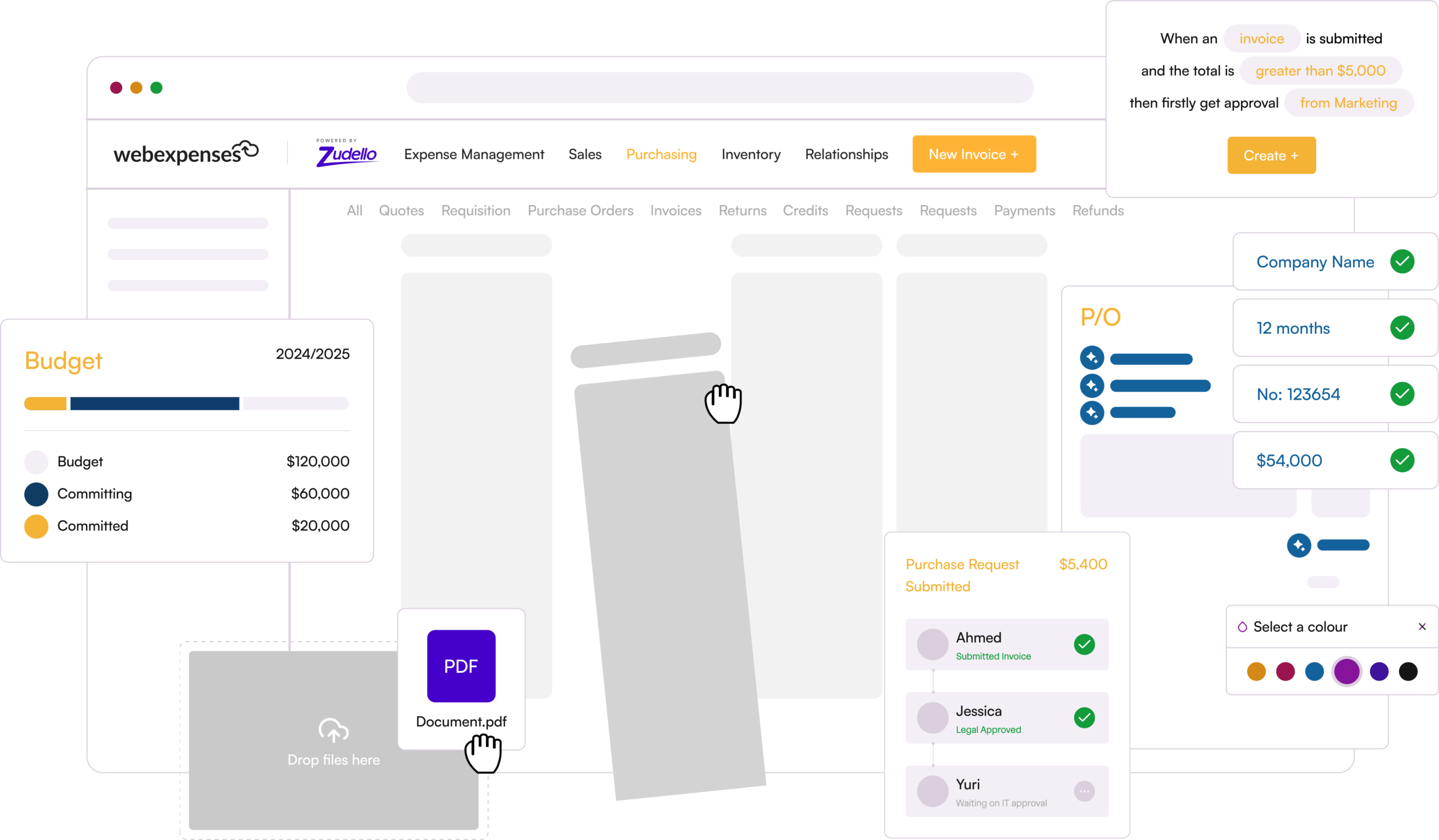
Policy alerts and reminders can be delivered to claimants via on-screen notifications. Systems can also carry out real-time compliance checks each time a new claim is submitted to make sure costs fall within company policy.
The accurate data generated by a digital system is particularly effective at removing two of the typical troublespots which are prone to catching companies out during a tax audit – mileage and petty cash.
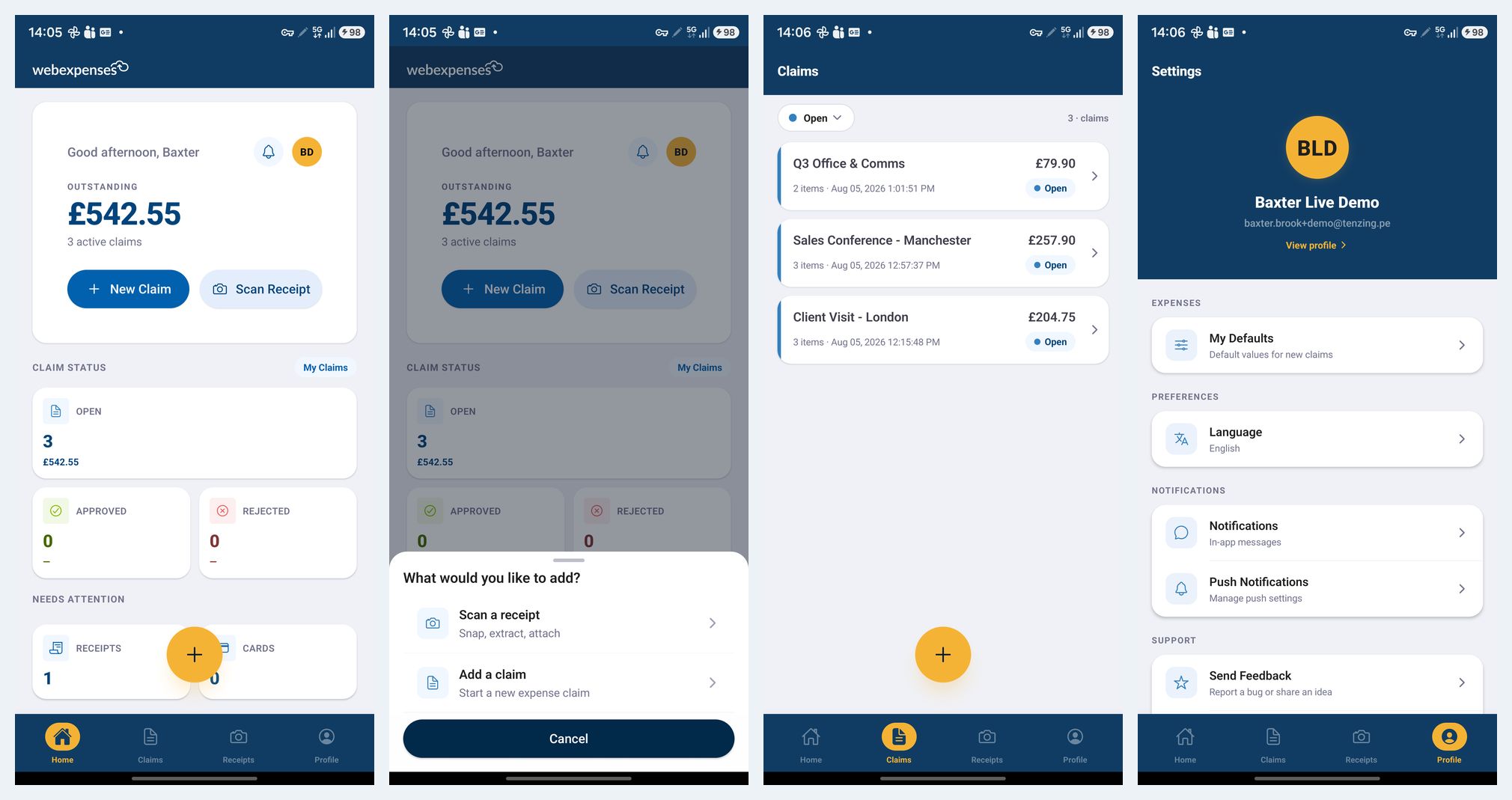
Instead of relying on employees to ‘guesstimate’ the distance they have travelled for a mileage claim, journeys are accurately recorded via GPS and a smartphone app.
A good expense management system will also allow any petty cash funds operating within a business to be integrated into the main expenses setup. This provides the same level of monitoring and creates a HMRC-friendly data record.
So with the right mindset and effective use of technology, organisations no longer need to live in terror of a tax audit. While the experience is never likely to be pleasant, it’s something your business can be fully prepared for.