Picture the scene: A finance function that runs cleanly, month on month. The close lands on time. The forecasts resemble what eventually unfurls in reality. The board pack is on point. For most CFOs, that version exists mostly in theory.
What gets in the way is rarely one big thing. It’s the slow accumulation of small ones – ‘a thousand cuts,’ as the cliché goes – transactions that bypassed the system, expenses submitted weeks late, spend that never made it into the right ledger.
Collectively, they corrupt the data your board relies on, distort the forecasts your FP&A team produces, and chip away at your credibility as the person who’s supposed to have the numbers.
That’s shadow spending. And at the scale most growing businesses operate at, it’s less an exception to manage and more a condition to understand.
What shadow spending actually looks like at your level
Shadow spending isn’t dramatic (despite sounding like something in a Le Carré novel) and it isn’t necessarily fraud. Instead, it looks like:
- The SaaS subscription a department head signed up for on a personal card because the approval process took too long.
- The supplier invoice that bypassed your purchase order system because someone had an existing relationship.
- Someone expensing a train ticket three weeks late because they couldn’t find the receipt, just as your team is trying to close the month.
At 50 to 250 people, you’re in a particularly awkward spot. You’ve moved past the startup phase where everyone knows everything. But you’re not yet large enough to have a fully embedded compliance culture, a mature procurement function, or the kind of system redundancy that catches these things automatically.
Your tech stack (probably something like NetSuite or SAP Business One, with some departmental software bolted on) is integrated enough to create expectations, but not always tight enough to enforce them.
The result is, to use a McKinsey adjacent term, data silos. That is, transactions that live in one system but not another or spend that shows up in a credit card statement but not in your ERP.
Why this hits CFOs hardest
Finance managers feel the operational pain of shadow spending. But you deal with the strategic pain.
Your board wants reliable numbers, your investors (if you’ve got them) want clean data and your auditors want a clear audit trail. Increasingly, as FDs or CFOs, you’re judged not just on whether the numbers are right, but on how quickly and confidently you can explain them.
When uncontrolled company spending is flowing through your organisation, you lose the two things you actually need to control the narrative: Visibility over expenditure, and accurate GL coding.
With those elements missing, your forecasts are built on incomplete data rather than informed judgement. Your monthly close becomes a detective exercise and your team spends their time recoding transactions.
The close that should take three days stretches to a week. Your FP&A resource, which you likely can’t afford to grow right now, is consumed by low-value reconciliation work. And it compounds, every single month.
The effect is cumulative in a way that’s easy to underestimate until it isn’t.
The compliance and audit dimension
For a business at your stage, you’re likely past the point where a qualified audit is optional. Your investors, lenders, or board will have expectations. And shadow spending creates exactly the kind of gaps that auditors will flag.
When transactions bypass your approval workflow, you lose the ability to prove who authorised what. That’s not just an audit problem; it’s a fraud vulnerability.
Yes, most shadow spending is innocent. But when your controls rely on spot checks rather than systematic enforcement, catching duplicate claims, inflated amounts, or personal expenses disguised as business ones is genuinely difficult.
VAT recovery is another area that’s quietly costing you money. Varying rates, fuel elements buried in mileage claims, international transactions with different rules – the complexity is real, and most of it goes unmanaged.
The reality is that you’re either leaving reclaim money on the table (especially if you’re reimbursing mileage) or you’re claiming incorrectly and creating a different kind of risk.
The root cause isn’t malicious intent
It’s worth being clear about this, because the framing matters for how you fix it. Your people are not, in the main, trying to circumvent your controls. They’re trying to do their jobs.
The problem is that your current systems make non-compliance the easy choice. And at your company’s size, with the complexity of an integrated ERP and a partly-transformed tech stack, those friction points accumulate fast.
It usually looks something like this:
| Situation | What actually happens |
| Your approval workflow takes too long | Employee uses a personal card and expenses it late – or not at all |
| Expense process has too many steps | People bypass it for smaller purchases and sort it out later |
| New starter joins without proper onboarding | They follow whatever process they used at their last company |
| Contractor or freelancer comes on board | They don’t know your approval hierarchy exists |
| Remote worker needs something quickly | They assume the same rules apply as they did in the office |
Without clear, accessible guidance at the point of spend – not buried in a policy document but surfaced in real time – this is just what happens. It’s not a people problem. It’s a process problem.
What fixing it actually looks like
Make the compliant path the easiest one. That’s it, in a nutshell.
That means policy enforcement happens mostly at the point of spend, catching issues before they’re submitted rather than three weeks later when they’ve already been approved by a manager who didn’t know the rules.
Mobile-first approval workflows are a game-changer, too. It lets managers sign off on the move, removing the bottlenecks that push people towards workarounds. And comprehensive VAT capture should be built into the process (not retrofitted afterwards).
Ultimately, the goal isn’t just a cleaner close (though you’ll get that). The goal is a finance function that your board can trust. One where your data is reliable enough to drive decisions, not just report on them.
That’s the shift from reactive to proactive that’s difficult to make while you’re still fighting fires every month.
How we can help
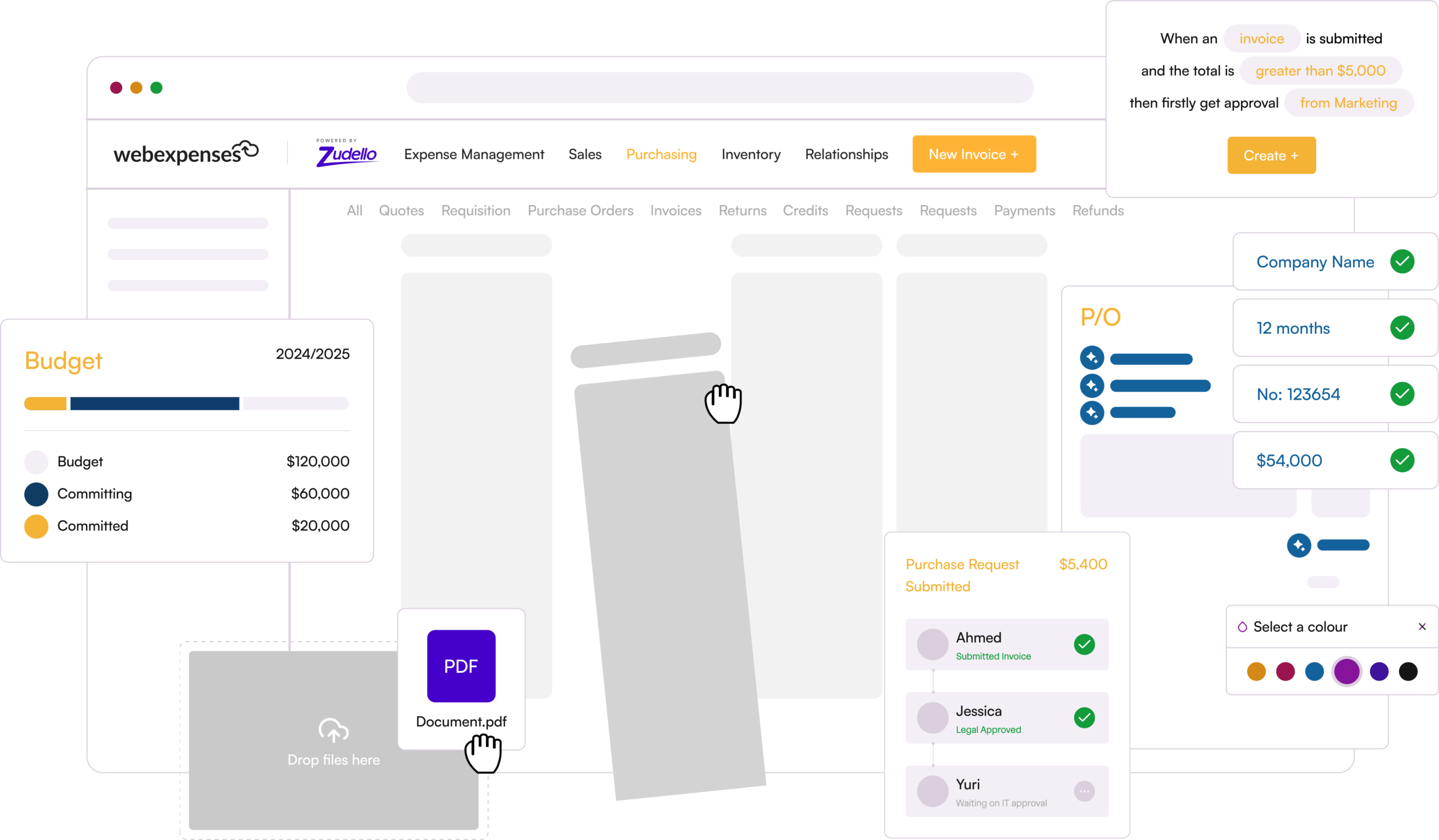
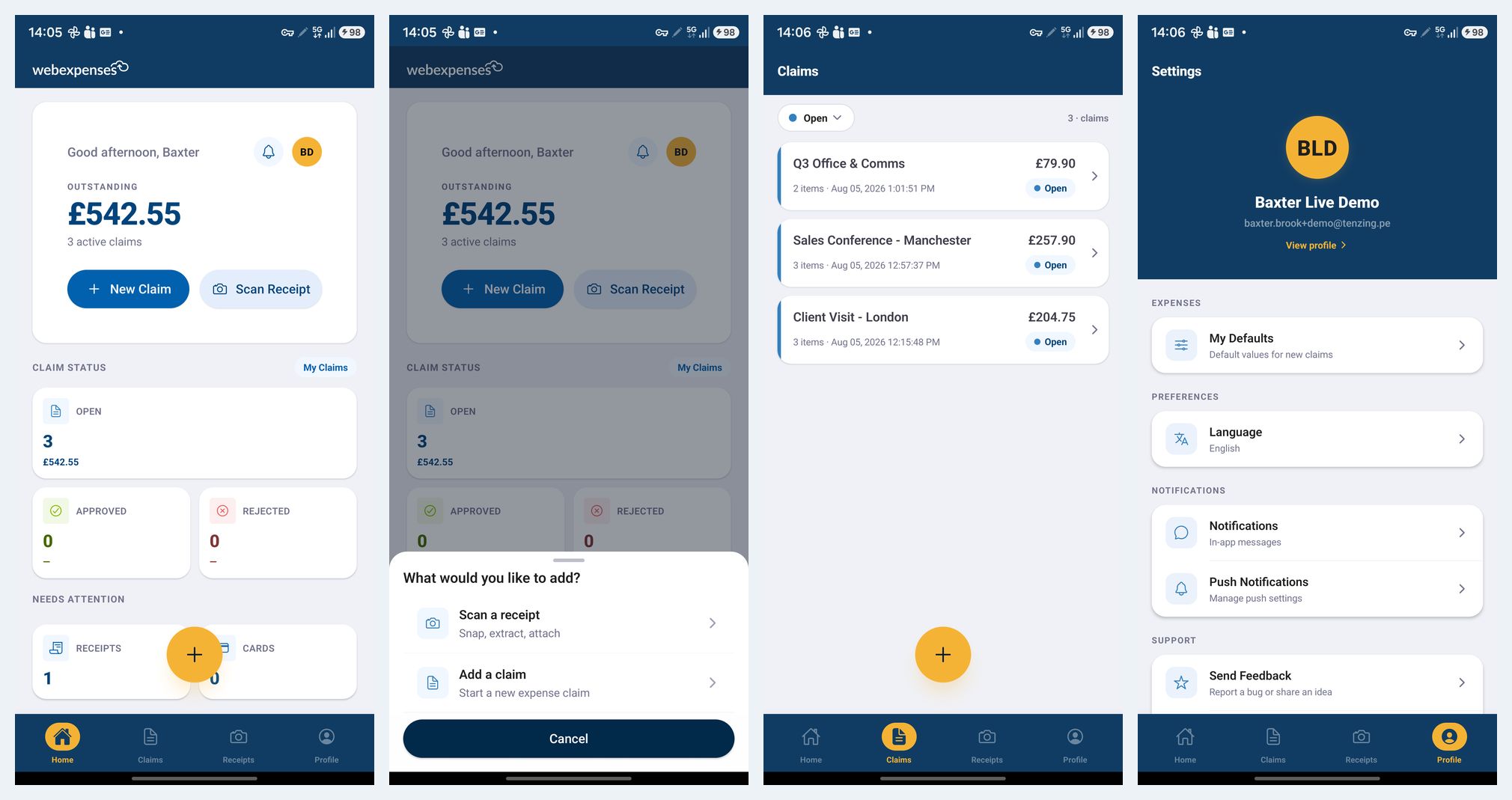
Webexpenses gives your people instant, automated expense policy compliance guidance at the point of spend, so they know the rules before they submit rather than after finance has had to reject the claim.
For approvers, mobile approvals remove the bottlenecks that cause workarounds in the first place. And you get full visibility over expenditure in near real time, with accurate coding, VAT capture, and a clean audit trail.
Instead of chasing receipts and recoding transactions, your team can focus on more strategic work: identifying spending patterns, supporting procurement negotiations, and building the kind of financial reporting that moves the needle.
Ready to take control of your spend data? See how Webexpenses delivers end-to-end expenditure control.