If you’ve narrowed your search for an expense management system down to Webexpenses vs. SAP Concur, you’re comparing two platforms with genuinely different philosophies about how enterprise-grade software should work. Both can handle complex expense management. The question is which approach actually delivers for the people using it every day.
We’ll be upfront: we’re biased in this comparison. We love our product, and we think we’re better. But we’ve built this comparison to be honest, because the wrong choice costs you more than just money – it costs you adoption, time, and a lot of admin headaches.
The fundamental difference
SAP Concur is built on the assumption that power requires complexity. It’s designed around large organisations with dedicated IT teams, months-long implementations, and the appetite to manage a system that can – in theory – do almost anything.
Webexpenses is built on a different assumption: that enterprise-grade muscle and genuine ease of use aren’t mutually exclusive. You shouldn’t need a project team to get up and running, and your finance manager shouldn’t need a manual to pull a report.
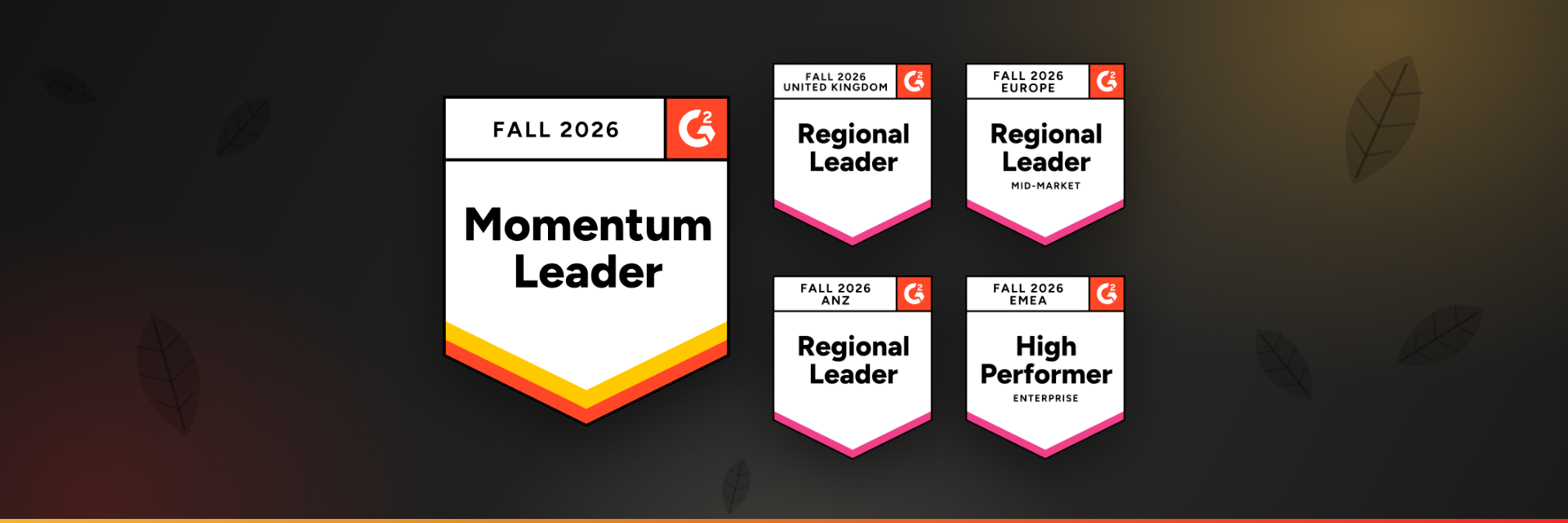
G2’s Summer 2026 data backs this up. Webexpenses is ranked #1 in the UK for both enterprise and mid-market expense management – not by self-reported marketing claims, but by verified reviews from finance teams, operations managers, and FDs who use this software every day.
Pricing: transparent vs. opaque
SAP Concur’s pricing isn’t publicly available. You’ll need to go through a sales process to find out what it costs. And the final number typically depends on your contract size, modules selected, and negotiating position. Implementation costs, consultant fees, and ongoing admin overhead add further layers on top.
We publish our pricing. What you see is what you pay. For enterprise procurement teams used to the drawn-out, opaque process of pricing large software contracts, this alone is a meaningful difference.
Implementation and setup
Webexpenses customers are typically fully operational within weeks. The system comes pre-configured with sensible defaults, our team handles onboarding, and you don’t need dedicated IT resources or external consultants to get started.
SAP Concur implementations are a different undertaking. Months, not weeks. Dedicated project management, significant IT involvement, and often external consultants to navigate the configuration. The platform’s flexibility is also its complexity – so many options that setup becomes a project in itself.
For bigger organisations, time-to-value matters. A system that takes six months to implement before anyone submits a single claim is six months of continued inefficiency.
User experience and adoption
This is where the two platforms diverge most sharply – and where it matters most at scale.
SAP Concur prioritises capability. It can handle virtually any expense scenario: complex multi-currency transactions, intricate approval hierarchies, granular policy enforcement across multiple entities (we can do this too, of course!).
That power comes with a dense interface, multiple paths to the same outcome, and a learning curve that requires meaningful training investment. Administrators need ongoing education. Adoption often struggles because the system asks users to adapt to it.
Webexpenses prioritises adoption without sacrificing depth. The interface is clean and logical. The mobile experience – where most expenses actually start – is fast and intuitive. Policy rules are enforced at the point of submission, not after the fact. Approvals route automatically. Administrators manage policy and oversight, not system configuration.
At scale, this distinction compounds. With hundreds of employees submitting expenses across an organisation, a system that users won’t engage with creates its own costs: chasing receipts, manual workarounds, off-system spending, and finance teams drowning in back-and-forth. High adoption isn’t a nice-to-have. It’s what determines whether the investment pays off.
G2 user satisfaction scores (accurate as of 05/06/26):
| Webexpenses | SAP Concur | |
|---|---|---|
| Overall satisfaction | 73.54 | 72.22 |
| Ease of use | 8.6 | 8.0 |
| Meets requirements | 9.0 | 8.7 |
| Ease of setup | 8.5 | 8.0 |
| Quality of support | 8.7 | 8.0 |
| Product direction | 8.3 | 7.2 |
These gaps reflect thousands of daily interactions across real finance teams. They add up.
Enterprise capability: what Webexpenses actually handles
Being ranked #1 for UK enterprise on G2 isn’t a positioning claim: It’s the output of verified enterprise user reviews. Here’s what that capability looks like in practice:
- Multi-entity support. Organisations operating across multiple subsidiaries or legal entities can manage expenses with proper entity-level separation — without the spreadsheet chaos that usually goes with it. Cards can be issued and managed across entities through the same platform.
- Policy enforcement at submission. The system flags non-compliant claims before they reach a manager’s inbox. That alone eliminates a significant amount of back-and-forth from the finance team.
- Integrated expense cards. Virtual and physical cards with real-time spend controls, automatic reconciliation against claims, and unlimited cashback on every transaction – no cap. Card spend and reimbursable expenses are managed in one platform, with no reconciliation gap between the two.
- Reporting that non-technical users can actually run. Comprehensive reporting without needing a specialist to extract the data.
- Integrations. We focus on the integrations that matter most and build them properly, rather than 200+ integrations of variable quality.
- Multi-currency support is in active development for organisations operating internationally or managing spend across borders.
What’s on the roadmap
We publish our product roadmap publicly: you can see it here. That’s uncommon in this industry, and deliberate. You should be able to hold us accountable for what we say we’re building.
What’s coming:
- Full reporting overhaul
- Real-time analytics dashboards
- VAT reclaim analytics
- AI-powered auto category selection
- A rebuilt mobile app.
SAP Concur don’t do this. And as a newer enterprise customer, you’re most likely not going have much of a say in what they create.
Support and service
Webexpenses provides the same level of support to every client. All support is in-house, UK and Australia-based, and oriented toward actually solving problems rather than logging tickets. You get direct access to people who know both the software and your business context.
SAP Concur support varies based on contract size. Smaller enterprise accounts often experience slower response times and less direct access to expertise.
Security and compliance
Both platforms take security seriously. At this level, you have to.
Webexpenses holds ISO 27001 and SOC 2 certification — the certifications that matter for the vast majority of organisations, without the overhead of certifications most businesses don’t need.
SAP Concur carries an extensive compliance certification suite, built for highly regulated industries with specific requirements.
Who should choose what?
Choose Webexpenses if:
- You want enterprise capability without enterprise complexity.
- Transparent pricing matters to your procurement process.
- Fast implementation and time-to-value are priorities.
- User adoption across a large workforce is a concern.
- You want integrated expense cards with real-time controls and unlimited cashback.
- Direct, responsive UK-based support is important.
- You want a vendor with a public roadmap you can hold them to.
Choose SAP Concur if:
- You’re in a highly regulated industry with specific compliance requirements.
- You’re prepared for a multi-month, multi-resource implementation.
- You need a very specific, borderline boutique integration from a catalogue of 200+.
- Pricing transparency isn’t a priority in your procurement process.
Making your decision
The G2 Summer 2026 rankings are a useful place to start. Not because we topped them, but because they represent what verified enterprise users actually think of both platforms after living with them.
We sat far to the right on the enterprise satisfaction axis. The gap in market presence reflects history and marketing spend. The gap in user satisfaction reflects the product.
Don’t take our word for it. Book demos with both providers. Ask specifically about:
- Total cost of ownership, including implementation, consultancy, and ongoing admin.
- Time to first live user.
- Support response times and escalation paths.
- Feature access across pricing tiers.
- Roadmap commitments and accountability.
The right expense management system makes life simpler for your finance team and your employees. The wrong one creates a new category of work. Make the comparison on evidence, and the right choice tends to be obvious.