Finance close is meant to be a smooth, predictable process. ‘Meant to be’. But the gap between ‘meant’ and ‘is’ is often a yawning chasm. Every month, you steel yourself. This time we’re going to nail it – and then, the usual happens: unexpected transactions crop up, departments overspend their budgets, and you’re left scrambling to reconcile everything before the deadline.
This is shadow spending (a cool name, granted, but rather annoying in practice). And it’s these month-on-month plot twists that are quietly undermining your entire finance function.
Shadow spending is when employees buy stuff outside your approved systems and processes. It’s the subscription someone signed up for without approval, the supplier invoice that bypasses your purchase order system, or the expense claim that appears three weeks after the transaction.
And for you, it compounds. It’s like at the GP. One appointment overruns, then the next appointment starts late, then that overruns. By day end, these minor overruns have stacked up to an hour’s delay. Shadow spending is that effect writ large.
Why shadow spending hits finance teams hardest
Shadow spending destroys the two things you actually need: accurate GL coding and complete visibility over expenditure. Which, to put it mildly, are quite bloody important.
Monthly close becomes a detective exercise. You’re chasing down department heads asking “what was this for?” and “did you approve this?” while the clock ticks towards your reporting deadline. Your team spends hours on manual accruals rather than on strategic analysis.
This is exactly what creates the time sink you’re trying to eliminate. The close that should take three days stretches to a week or more.
The real cost of uncontrolled company spending
Uncontrolled company spending doesn’t just slow down your close process. It also creates multiple problems that cascade through your finance function:
- Meaningless budgets: When departments can spend outside approved channels, your carefully modelled forecasts are obsolete before the month ends. You’ve built shadow budgets in Excel to try tracking the real spend, but you know these are estimates at best.
- Your data accuracy is suffering: When transactions bypass your expense management platform or procurement system, you’re reconciling data from credit card statements, supplier invoices, and expense claims that don’t match your chart of accounts.
- You’re burnt out: Every month is the same firefighting exercise. Chasing people isn’t fun and it feels a lot like nagging (because, well, it is).
The reasons for shadow spending
Shadow spending sounds rather nefarious. Almost Darth Vader-esque. But its causes are mainly innocuous.
For one thing, your people often have legit needs that your current approval process can’t handle fast enough. When your approval workflow takes three days, and someone needs it today, they’ll find a workaround. They’re not being malicious. They’re trying to do their jobs.
In other words, your existing systems are likely part of the problem. If your expense policy requires five clicks and three approval stages for a lunch expense, people will simply avoid it. If your purchase order system only works for certain suppliers, employees will use their own credit cards for others.
The inefficiencies in your current tech stack create the conditions for shadow spending to thrive.
Finally, some shadow spending is pure ignorance. New starters don’t know the process. Remote workers assume they can claim expenses as they did at their previous company. Freelancers and contractors don’t understand your approval hierarchy.
Without clear, accessible guidance at the point of spend, mistakes are inevitable.
How shadow spending breaks your finance close
Your finance close process relies on having complete, accurate data on a known timeline. Shadow spending destroys this in three major ways.
Transactions appear late:
Someone submits an expense claim on the 25th for something they bought on the 3rd. Now you’re accruing for last month, adjusting this month, and hoping nothing else appears. Your cut-off procedures become wishful thinking rather than hard deadlines.
Coding is inconsistent or wrong:
When employees categorise their own expenses without understanding your chart of accounts, you get marketing spend coded as travel, capital expenditure mixed with operating costs, and tax calculations that don’t reconcile. Your team spends hours recoding transactions that should have been right the first time.
Policy violations go undetected until it’s too late:
That non-compliant expense claim gets approved by a manager who doesn’t know the rules. By the time it reaches finance for expense policy compliance review, it’s already in the system and politically difficult to reject. You’re stuck choosing between following policy and maintaining departmental relationships.
The compliance and audit implications
Your investors, bank, and the tax authorities are watching closer than they used to. And shadow spending can make you look sloppy.
For one thing, your audit trail is riddled with gaps. Transactions skip your approval workflow, and suddenly you can’t prove who authorised what. External auditors will flag this, and you’ll spend (or waste, depending on your outlook) valuable time during the audit period explaining what went wrong and hunting down backup documentation.
VAT (or GST) recovery becomes a lotto. People buy things without proper documentation, and suddenly you’re either missing reclaim opportunities or claiming incorrectly. Either way, it costs you money.
And yes, fraud becomes easier. Most shadow spending – as we mentioned earlier – is innocent. But some isn’t. When you’re relying on spot checks instead of proper controls, catching duplicate claims, personal expenses disguised as business ones, or inflated amounts is basically impossible.
Take control: from reactive to proactive
The root problem isn’t that employees are necessarily deliberately flouting your rules. It’s that your current processes make non-compliance the easier option. Fix that, and shadow spending largely solves itself.
| What you need | What it should do | Why it matters |
| Policy enforcement at the point of spend | Catches policy violations before they’re submitted, not three weeks later. | Employees know the rules upfront rather than discovering problems at month-end. |
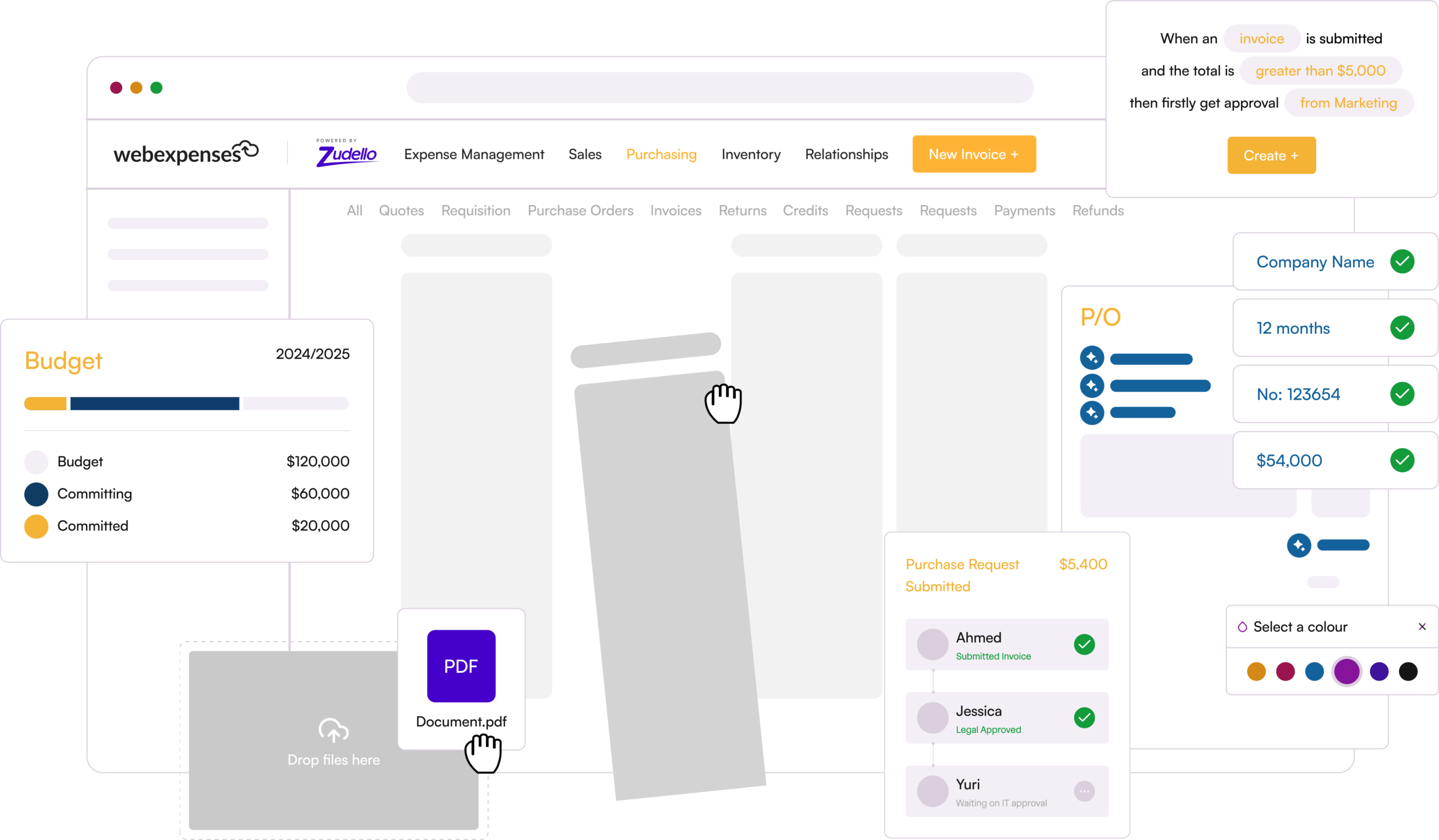
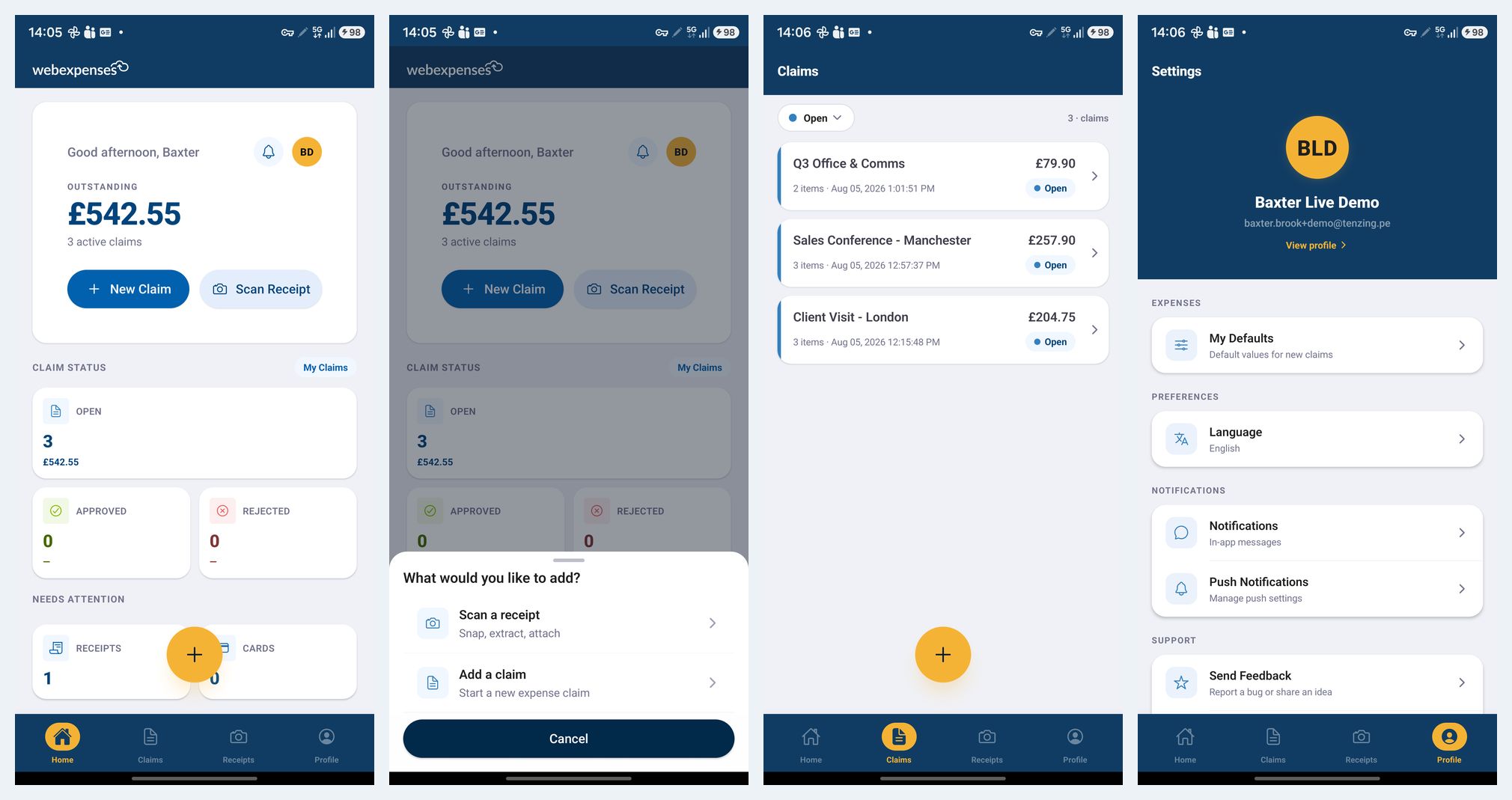
| Mobile-first approval workflows | Managers approve on their phones. You see everything in near real-time. No bottlenecks. | Same-day approvals without compromising your control framework. |
| Comprehensive VAT/GST capture | Record VAT/GST across all spend types – fuel elements in mileage, varying international rates – and require supporting receipts. | You actually recover the tax you’re owed instead of leaving money on the table. |
A finance function your CFO can trust
Ultimately, your job is to give your CFO or FD reliable insights that, in turn, will drive better business decisions. And shadow spending pollutes your data and expends your team’s capacity on low-value reconciliation work.
That’s it. That’s the problem in a nutshell. The good news is that fixing it is rather simple: Buy our software. We’re kidding (only a little). But, yeah, a modern expense and spend management platform will pretty much eliminate shadow spending by making compliant processes the path of least resistance.
Webexpenses – that’s us, hi! – gives your people instant, automated policy guidance. Managers get fast approvals. You get oversight. Everyone stops guessing.
Instead of chasing receipts and recoding expenses, you’ll be identifying spending patterns, negotiating better supplier terms, and supporting your CFO. And with the right systems in place, this will be the natural outcome.
Ready to fix this? See how Webexpenses delivers end-to-end expenditure control.