The average amount of time it takes for an employee to submit their expenses is 41 minutes each month. This was one of the findings of the 2017 global survey, commissioned by Webexpenses.
Accumulated over a year and multiplied by the number of employees, it represents a remarkable chunk of lost productivity. This time is spent on tedious activities for expense reimbursement like deciphering receipts, filling out forms, and calculating travel distances.
But the survey results highlight a strong correlation between the time spent on employee expenses and the tools used to carry out this task. Regions with the highest uptake of digital management systems had the fastest processing times.
Global expense trends
In Australia and New Zealand, where the use of digital management is highest, the average monthly time spent was 37 minutes and 31 minutes, respectively. In the UK and the US, where digital uptake is lowest, the average times were 46 minutes and 50 minutes, respectively.
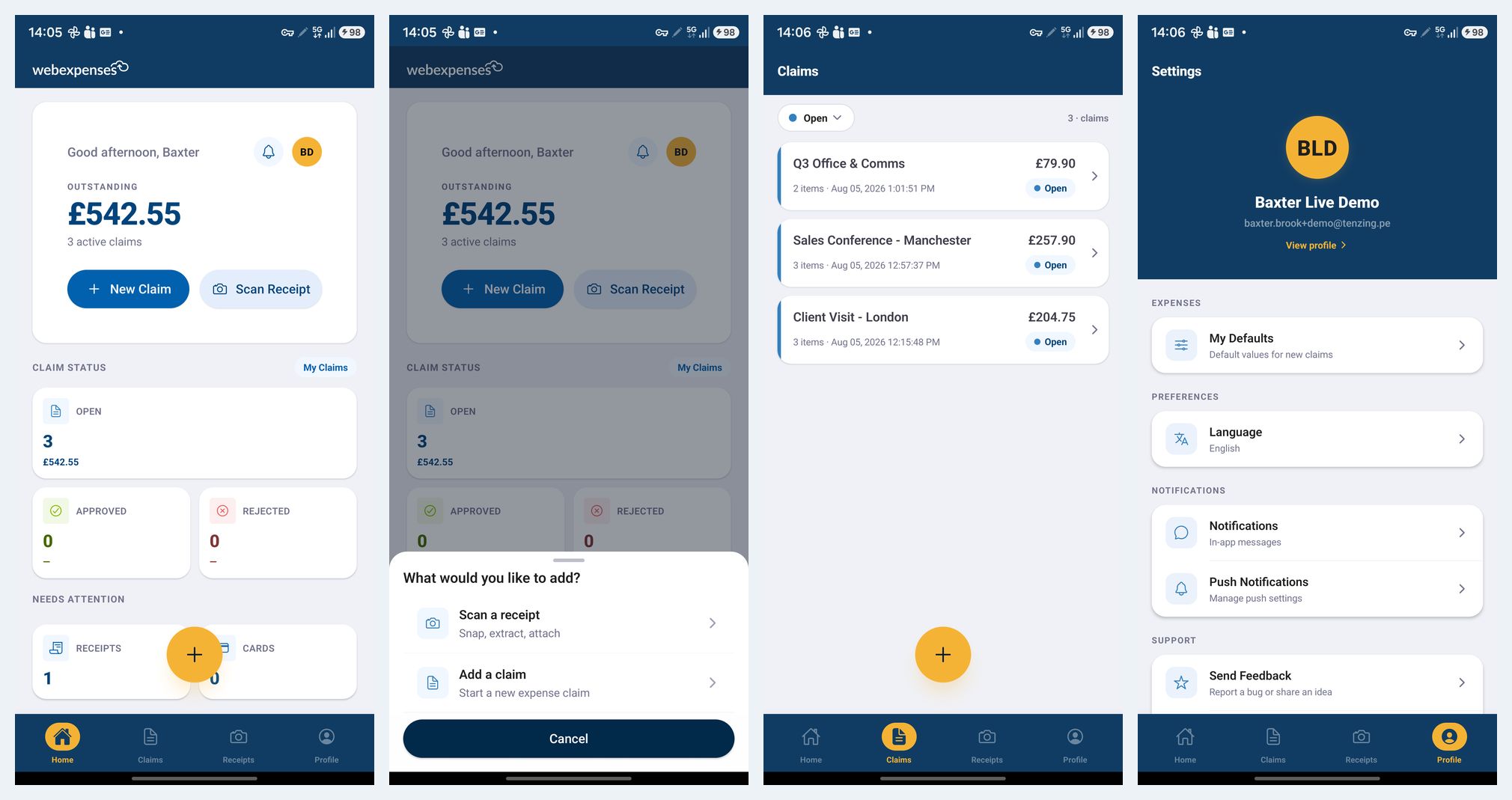
Typically, switching to a digital expense management system such as Webexpenses will reduce processing times by 25%. It does this by providing employees with a mobile app that allows costs to be updated on the go.
The mobile app allows any paper receipt they receive to be instantly converted in a digital form. This virtually removes the need for any paperwork tasks and allows the whole management process to be automated.
It means expense accounts can be updated as and when costs are incurred. This allows expense management to be integrated into the everyday workflow, rather than being a dreaded and tedious monthly chore.
Efficient expense savings
Digitizing your expense management system doesn’t just reduce the processing time for claimants. The benefits can be felt throughout a company – particularly in finance teams. They are able to monitor costs in real-time with all information collated and instantly accessible.
Automated processes and policy checks minimize the time required for menial admin tasks. They free up finance professionals to stay focused on properly managing costs. In doing so, digital systems don’t just provide time savings, they significantly cut losses to expense errors and fraud.
The 2017 survey showed that almost half of workers confessed to lying about their expenses, mainly concerning mileage. This can contribute to the loss of 5% of a company’s yearly income, totaling an enormous $2.9 trillion lost annually due to fraud.
Webexpenses provides a smarter way to manage and monitor employee costs. Find out how your business can save time and money by requesting a free demo.