How expense management software is transforming business process
It’s easy to forget just how revolutionary spreadsheets were when the technology first arrived, more than 40 years ago. Accounting tasks that could take hours on paper were now able to be done in seconds via digital data.
The earliest systems, such as LANPAR, date back to the 1970s but it was Lotus 1-2-3 which became the ‘killer’ application, taking spreadsheets into the mainstream in the 1980s.
By the 1990s Microsoft’s Excel had replaced Lotus to become the industry standard spreadsheet and has remained as a core tool for finance professionals ever since.
From once being a disruptive new technology, digital spreadsheets now represent the traditional ways of doing things. Excel is now used in every aspect of business and that includes the way employee expenses are managed.
It’s the kind of task where spreadsheets are starting to show their age and limitations when compared to a new generation of digital expense management systems.
Here’s a look at some of the main problems:
Finance team drain
The core problem with using spreadsheets to manage expenses is their lack of connectivity. Unlike a cloud-based application, each Excel spreadsheet exists in isolation with data having to be manually transferred.
It creates a disjointed system in which data is spread throughout – on different PCs, devices, and file cabinets. With the information having to be manually collated by a finance team, it creates a slow, inefficient, and error-prone process.
Difficulty of manual expenses
While finance professionals may find it a breeze to navigate through a spreadsheet, it’s an interface that many find confusing and awkward to use. So when Excel is used by employees to make a claim, it’s prone to becoming a time consuming, frustrating and error-prone process.
It’s the reason that many companies still opt for paper claim forms with all of the information being manually entered onto a spreadsheet by the finance team.
Can’t track expense processes
A good digital expense management system will automatically track every aspect of the process – from when claims are made, to the identity of each person who checks and approves them. This is something that spreadsheets can’t provide.
It means that businesses only have access to the most basic level of information about expenses. It makes it difficult for finance teams to identify problems or use any kind of analytics.
Outdated finance data
The need to manually collate all of the expenses information makes it difficult to ever get up-to-date information on company finances. It creates a dangerous lag with it taking weeks or even months to identify issues.
With a cloud-based system, all of the information is instantly accessible to the finance team. It allows costs to be properly monitored and any areas of concern to be immediately identified and addressed.
Failure to stop expense fraud
A slow, cumbersome way of working in which finance professionals are too busy manually processing claims to properly police them creates the ideal conditions for workplace fraud. Without automated processes, the accuracy of data is reliant on the honesty of each employee.
Without access to real-time tools, finance teams are restricted in what they can do – finding themselves tasked with identifying existing fraudulent claims rather than actively preventing them from being made.
So while the humble spreadsheet remains a powerful tool for finance professionals, expense management is one area where it has become outdated and inefficient.
It finds itself being challenged by a new generation of expense management systems which provide central access to real-time information. In doing so, it changes the way businesses are able to handle expenses.
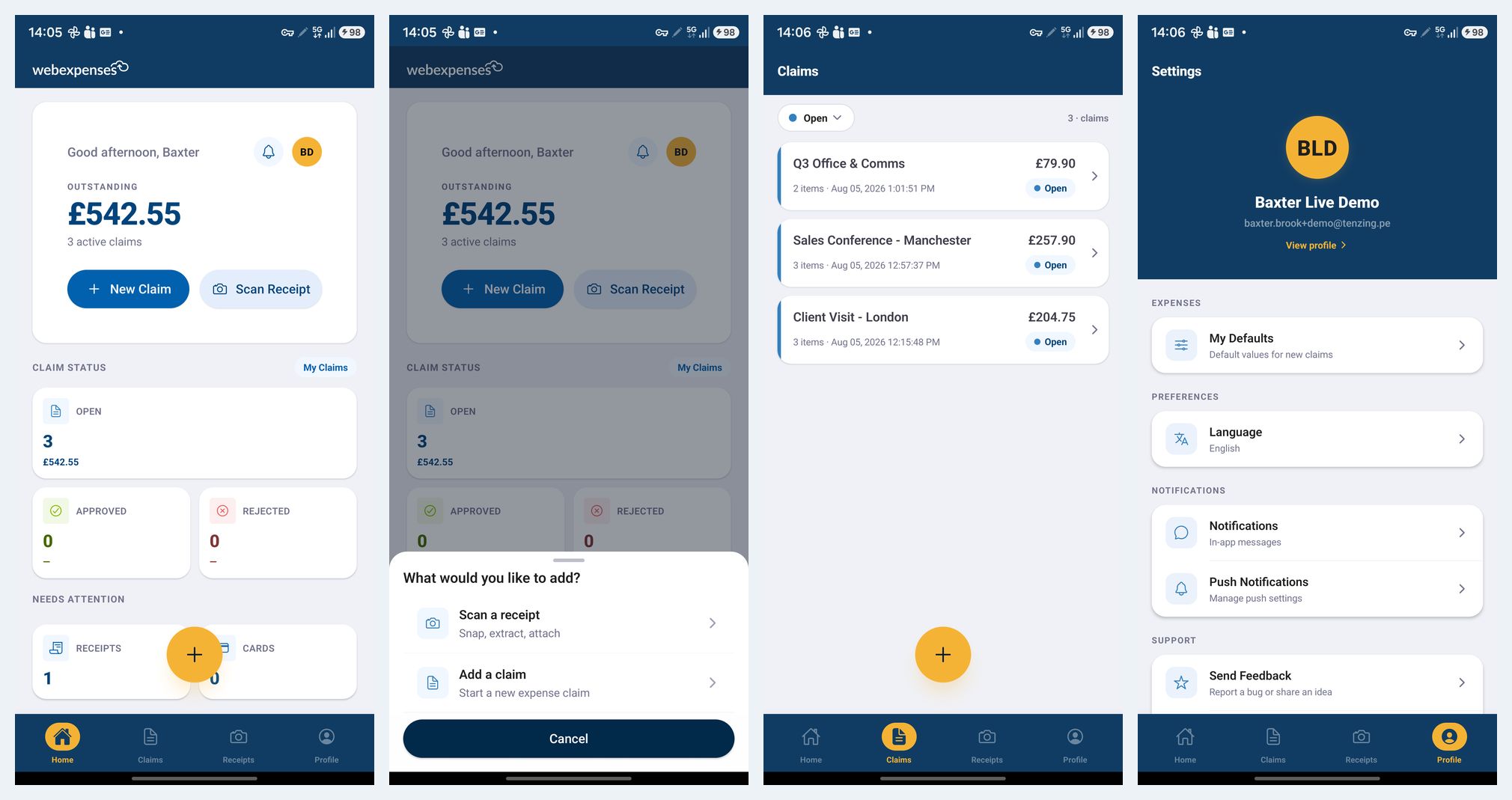
For employees, it means faster and simpler ways to manage their expenses with smartphone apps and slick, user friendly interfaces, replacing the pain of filling out an Excel form.
For companies, it allows expense management to be active rather than reactive. By removing the administrative burden of manual processing, it allows finance teams to focus on properly managing and policing company costs.
Webexpenses provides a smarter way to manage and monitor employee expenses. Follow the link for more information on expense management software.