The finance industry is undergoing rapid changes due to digital technology, which presents both opportunities and challenges. To remain competitive, Finance Directors must proactively prepare their teams for the future.
Key Strategies for Future-Proofing
Investing in Skills Development
A report by PwC (2023) found that Finance Directors who build a skills-first culture are 63% more likely for their teams to meet future demands. The focus is on developing a broader skill set with an emphasis on data analysis over traditional tasks.
Diversifying Team Expertise
Finance teams are increasingly being built with a mix of backgrounds, combining core accountancy skills with business acumen and management experience. This approach ensures that the team can adapt and innovate in a rapidly changing environment.
Leveraging Technology and Automation
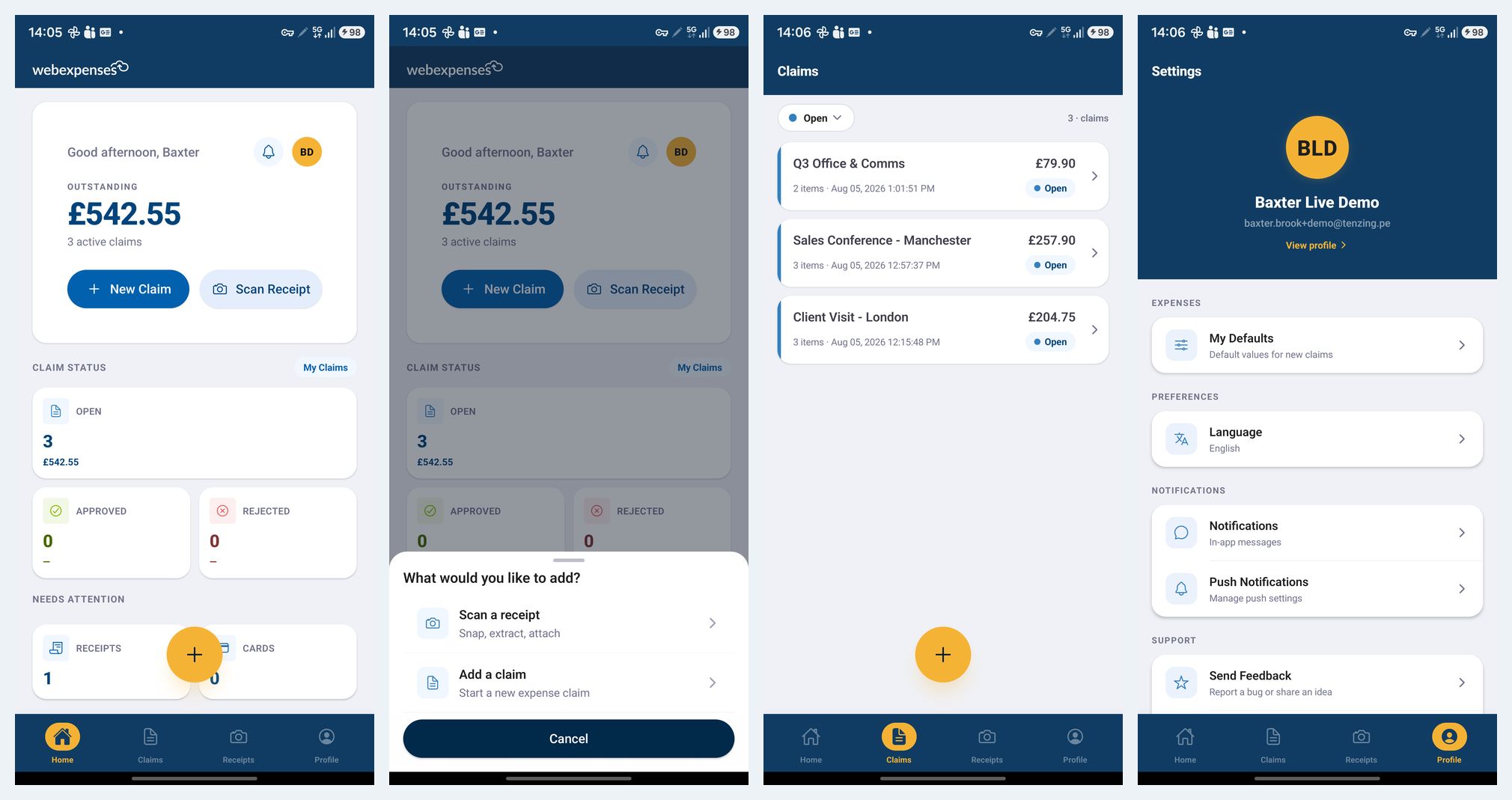
With the rise of cloud computing and automation tools, 40% of FDs highlight the importance of integrating these technologies into their operations. Solutions like Webexpenses streamline processes, making finance teams more efficient and future-ready.
How Webexpenses Can Help
Webexpenses offers automated software solutions that can help finance teams adapt to technological changes and streamline their processes. By integrating these tools, you can better future-proof your team and ensure long-term success.
Next steps
To thrive in the digital age, finance teams need to blend expertise in accountancy, technology, and business strategy. By following the strategies outlined above, you can prepare your team for the challenges ahead.
To explore how Webexpenses can help you future-proof your finance team, book a free demonstration today.