Wherever there’s business inefficiency – there’s also the ever-present risk of fraud
It’s no coincidence that two of the risk areas, invoicing and employee expenses, are also both commonly managed via outdated paper-based and manual processes. A recent study in the UK estimated that an SME will lose around £1,658 ($2,193 USD) ($2,694.62 AUD) on average, each year as a result of invoice fraud, errors, and inefficiencies.
Criminals have developed effective strategies to successfully exploit ineffective company policing of costs; submitting false invoices that are carefully designed to appear legitimate. The same problems are found within expense management and finance teams relying on traditional management methods, who manually check paper receipts and claims.
In both cases, the root cause of fraudulent activity is the same: It’s a legacy of manual and paper-based forms of management. Slow, ineffective, and resource-hungry methods create the kind of inefficiencies that fraudsters and dishonest employees are happy to exploit.
By eliminating the opportunity for these vulnerabilities, Webexpenses helps businesses across the globe improve administrative efficiencies and to reduce the risks posed by expenses fraud. Webexpenses cloud-based Expense Management and Invoice Processing solutions improve the way company costs are managed and monitored by switching from a manual, paper-based process to an automated, digital one.
Expense Management
Webexpenses provides a much more effective way to control employee expenses, beginning with a mobile app. It’s Google Vision-powered OCR scanning allows a claimant to instantly convert any paper receipt into a digital format for an instant, auto-built expense claim.
Removing any reliance on paper allows for an automated process with claims able to be centrally managed and monitored in real-time. Automated checks allow finance teams to receive alerts whenever a submitted cost falls outside of any defined limits.
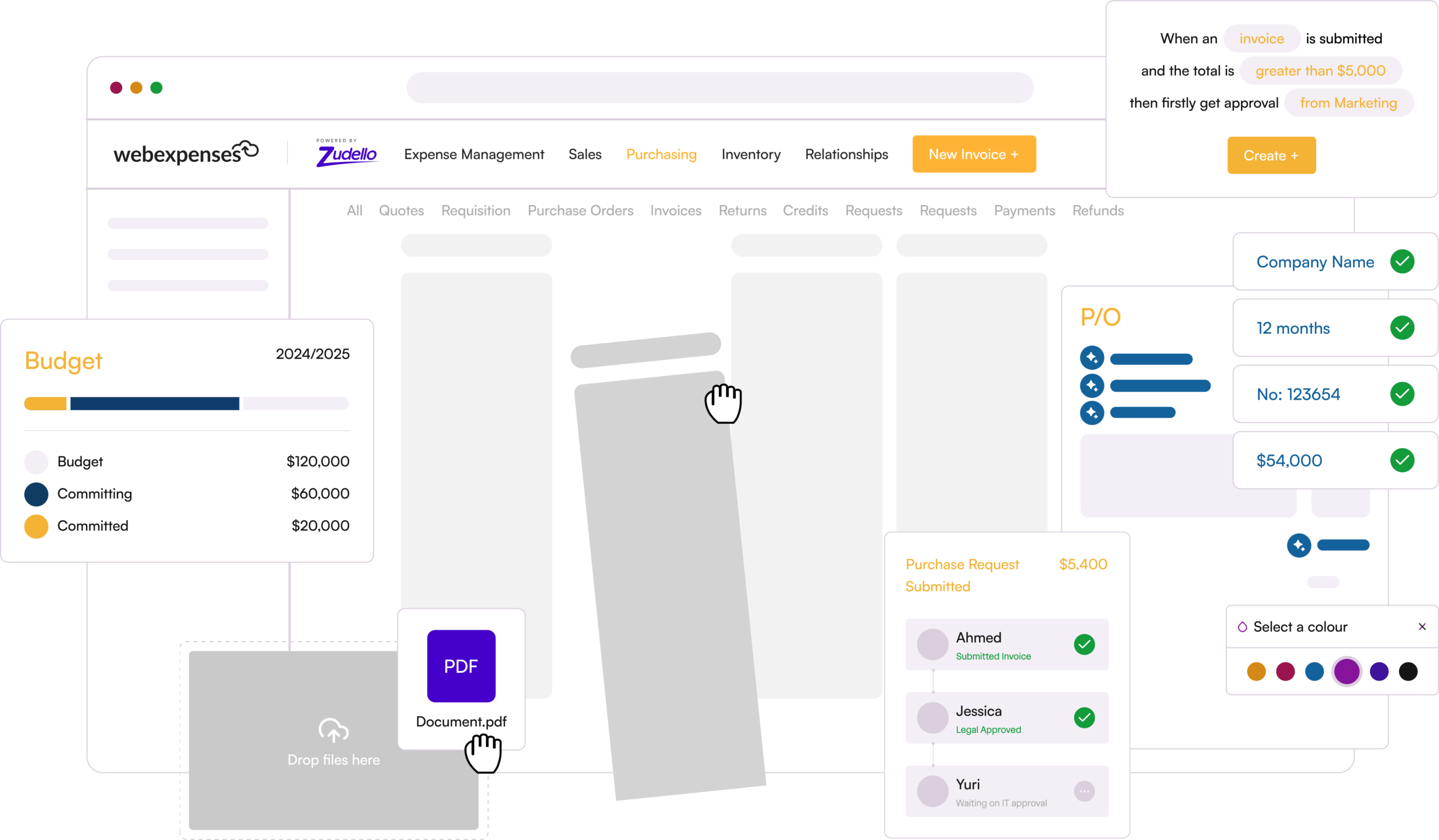
Webexpenses Invoice Processing applies these same automated advantages to invoice management and processing. Smart scanning extracts the important data from an invoice, converting the information to a digital form.
The system automatically checks all of these details for potential signs of fraud – matching email addresses and bank details against known supplier information. It also flags up any duplicate data.
Digital Reporting
Invoice and expense data is automatically tracked, stored and collated by the system. This provides a level of management visibility that’s not possible when reports are having to be pulled together by hand. With integrated reporting tools, finance teams now have instant access to accurate and up-to-date information on business expenditures. Unusual spending spikes or expense ‘hotspots’ can be identified early and addressed.
Streamlined Process
Along with improved management tools, the major advantage of an automated process is the time it frees up for finance teams. With a manual approach, so much time is spent on menial paperwork tasks that there’s a rare chance to properly scrutinize costs.
With an automated system, the focus can shift from processing to effective policing. Suspicious looking costs can be identified and challenged – significantly rebalancing the risk-reward ratio faced by fraudsters.
Making the change
So the move from manual to automated systems provides a business with a win-win situation. The reduced risks of fraud are a consequence of moving to simpler, more streamlined and secure ways of working.
With improved management tools and a fresh approach to financial management, every business now has the potential to eliminate the outdated methods and organisation inefficiencies that have allowed fraud to thrive.