Managing employee spend for 19,000 workers across 82 bases was no small task for Ryanair Holdings. The airline group had long relied on a manual, paper-based system that required employees to fill out forms and mail in receipts. This process caused delays in reimbursement and created frustration for both employees and the finance team tasked with managing the paperwork.
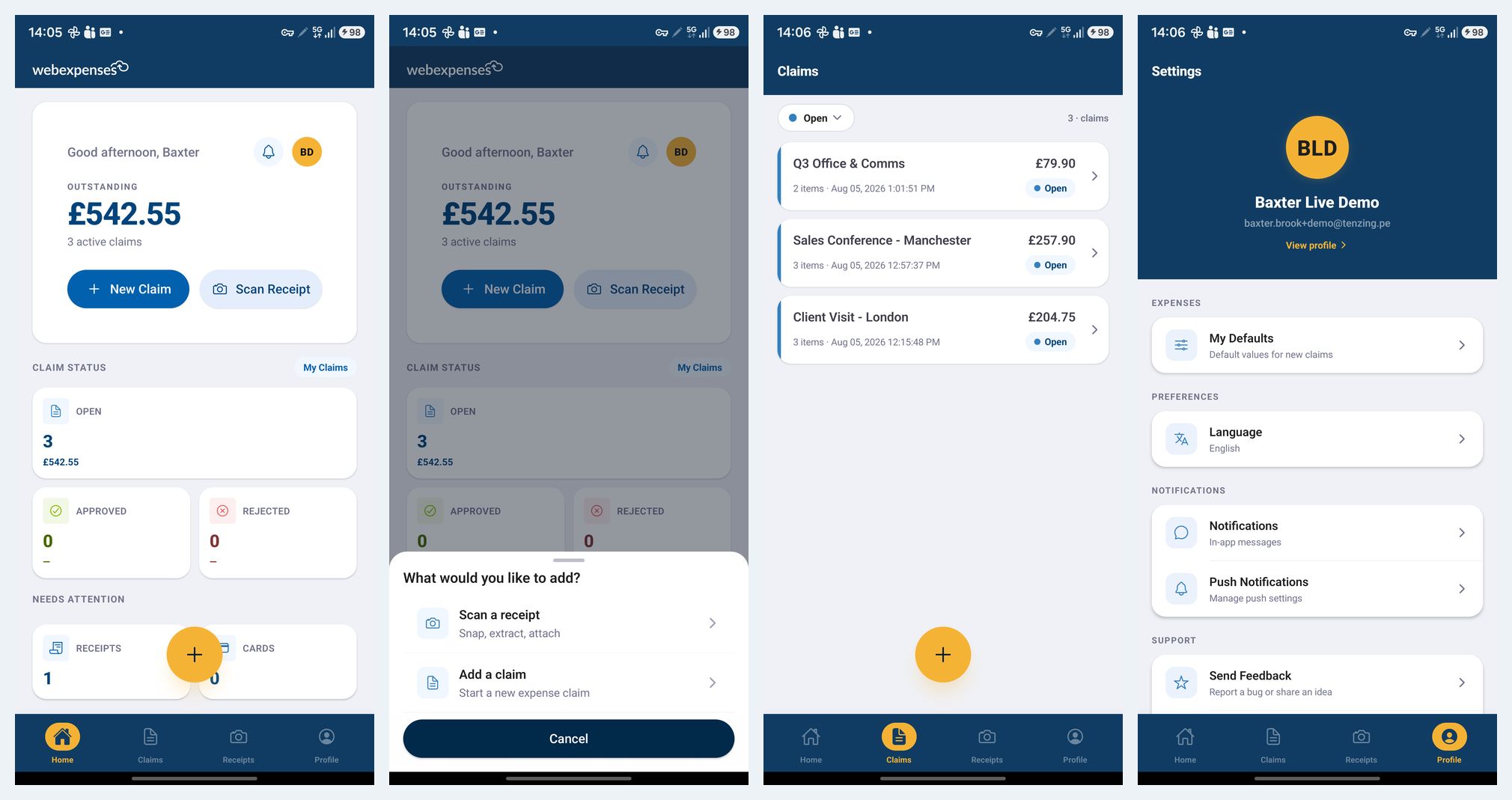
The solution to these challenges came in the form of Webexpenses, an automated expense management platform that allowed Ryanair to streamline processes, save time, and improve employee satisfaction.
- Switching to Webexpenses: Streamlining Employee Spend Management
- Choosing the best expense management solution
- Impact on Sustainability and Operational Effeciency
Switching to Webexpenses: Streamlining Employee Spend Management
Grace Crawford, Flight Operations Base Manager, explains some of the problems they were experiencing with the old process:
“Employees used to post in their expenses, so their receipts along with a document they used to fill out. We would then review the expenses when they arrived here by post.
The employees were getting frustrated that it was taking such a long time to get their expenses back and also they weren’t happy with the manual process of posting expenses.”
Choosing the best expense management solution
Ryanair Holdings considered several potential solutions before opting for Webexpenses. The system’s ability to adapt to the specific needs of the company was a major factor.
“We decided to go for Webexpenses because we found a solution that was absolutely able to meet our needs and had the capability to accommodate change and to be tailored for our specific needs.”

With close cooperation between Ryanair Holdings and Webexpenses’ support team, there was a smooth transition over to the new system. A phased approach was used to ensure a controlled changeover.
The new system reduces processing times, improves visibility for claimants and provides the finance team with much-improved reporting and financial modeling abilities.
The transition to a paperless system has yielded significant benefits. Bryan Dunne, Head of Payments, noted, “Feedback has been overwhelmingly positive. Claimants now have real-time visibility into their expense status, saving time and enhancing satisfaction.”
From an operational standpoint, the new system has streamlined processing, potentially saving up to a day and a half in accounts processing time. It has also enhanced document archiving and retrieval capabilities.
Impact on Sustainability and Operational Effeciency
Beyond operational benefits, Ryanair’s move to paperless expense management aligns with its commitment to sustainability. With over 470 aircraft and millions of passengers annually, reducing paper waste contributes to their status as Europe’s greenest airline.
By adopting Webexpenses, Ryanair has not only improved efficiency but also reinforced its position as an industry leader in sustainable operations.
Discover more about Ryanair’s journey in their customer success story or book a demo to see for yourself how Webexpenses can help your company.